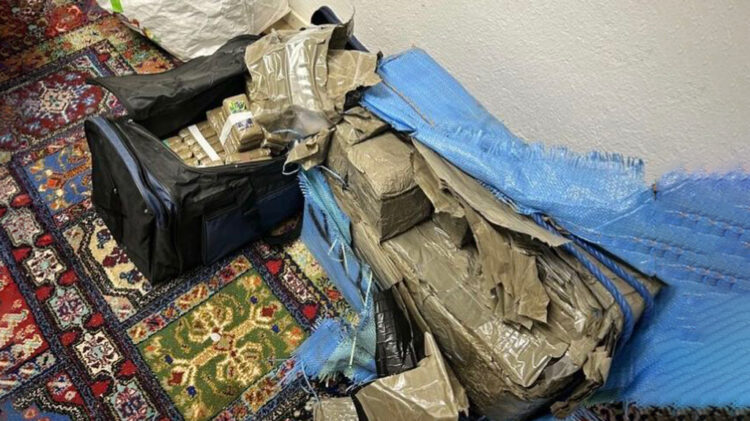
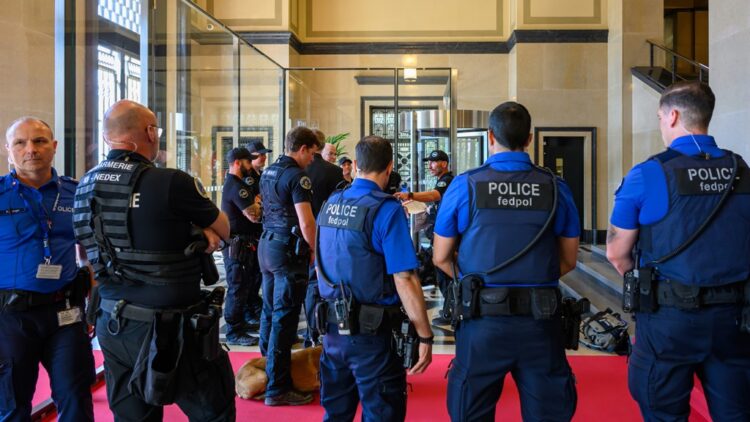
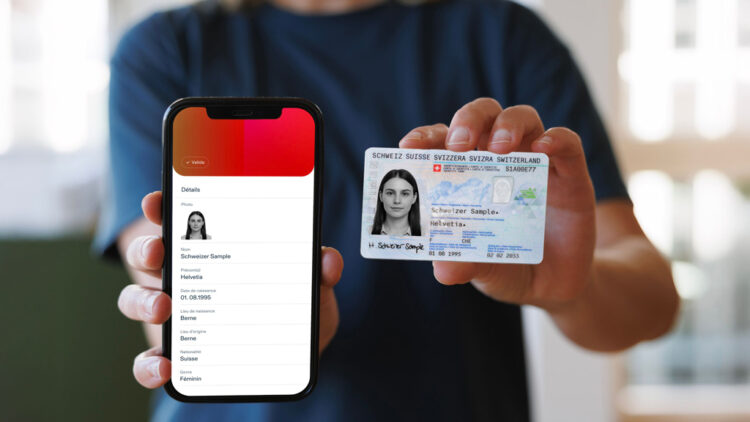
[{"id":4856,"permalink":"\/de\/report-2025\/editorial\/","breadcrumbs":[{"title":"Report 2025","permalink":"\/de\/"}],"title":"Editorial","lead":"Liebe Leserin, lieber Leser","content":"liebe leserin, lieber leser organisierte kriminalitat ist sichtbar \u2013 und dennoch schwer zu fassen. nicht nur fur die strafverfolgungsbehorden. mit der organisierten kriminalitat verhalt es sich wie beim beruhmten eisberg: sichtbar wird sie bei einzelnen delikten, festnahmen oder beschlagnahmungen \u2013 der teil, der aus dem wasser ragt. der grosste teil bleibt jedoch unter der oberflache: netzwerke, geldflusse und strukturen, die sich dem unmittelbaren blick und der offentlichen wahrnehmung entziehen. gemass europol sind uber 800 kriminelle netzwerke europaweit aktiv, viele davon auch in der schweiz. dazu gehoren zum beispiel italienische mafia-gruppierungen, die albanische organisierte kriminalitat, nigerianische bruderschaften, turkische kriminelle netzwerke sowie die in den niederlanden ansassige mocro-mafia. sie alle sind auf einzelne deliktsfelder spezialisiert, etwa betaubungsmittelhandel, menschenhandel oder illegales glucksspiel. gleichzeitig arbeiten sie als partner in crime zusammen, starken einander und nutzen gemeinsame infrastrukturen mit demselben ziel: ihrer bereicherung. und hier kommt die schweiz ins spiel. als wirtschaftlich starker und politisch stabiler standort im herzen europas ist sie attraktiv \u2013 als transitland, als umschlagplatz und als zielmarkt. in gewisser weise wird die schweiz damit zum hafen, den kriminelle netzwerke gezielt anlaufen, um gewinne zu generieren. dabei ist ihnen jedes mittel recht. das stellt ein risiko fur unsere wirtschaft, den rechtsstaat und letztlich fur unsere demokratie dar. einige ausgewahlte falle aus dem jahr 2025 geben einblick unter die oberflache: das bundesamt fur polizei (fedpol) ermittelt gemeinsam mit kanadischen partnerbehorden und weiteren 17 landern, um ein netzwerk hinter unzahligen cyberangriffen zu zerschlagen. dank eines hinweises der meldestelle fur geldwascherei (mros) deckt fedpol gemeinsam mit auslandischen partnerbehorden einen der grossten europaischen falle von geldwascherei auf. und gemeinsam mit den kantonspolizeien und den franzosischen partnerbehorden bekampfen wir die stark zunehmenden luxusautodiebstahle, hinter denen uber social media rekrutierte jugendliche stehen. um dieses phanomen koordiniert und uber kantons- und landesgrenzen hinweg zu bekampfen, richten wir anfang april 2026 unter dem lead von fedpol eine schweizweite taskforce ein. was bedeutet das im umgang mit diesem \u00abeisberg\u00bb? wir wollen nicht nur an der spitze des eisbergs pickeln. wir wollen das wasser erhitzen, damit der gesamte eisberg schmilzt. das tun wir, indem wir einen gesamtgesellschaftlichen ansatz verfolgen und ein umfeld schaffen, in dem sich kriminelle netzwerke nicht entfalten konnen. genau hier setzt die 2025 von bund und kantonen gemeinsam erarbeitete nationale strategie zur bekampfung der organisierten kriminalitat an. sie verfolgt drei ziele: organisierte kriminalitat erkennen, verhindern und bekampfen. \u00abwir verfolgen einen gesamtgesellschaftlichen ansatz und schaffen ein umfeld, in dem sich kriminelle netzwerke nicht entfalten konnen.\u00bb im jahr 2026 steht die erarbeitung eines nationalen aktionsplans (nap) im vordergrund. mit konkreten massnahmen sollen \u2013 in zusammenarbeit mit unseren nationalen partnern \u2013 der informationsaustausch gestarkt, nicht polizeiliche akteure wie grundbuch- oder migrationsamter sensibilisiert und die zusammenarbeit mit auslandischen polizeibehorden intensiviert werden. bis ende 2027 ist zudem vorgesehen, ein paket mit gesetzesanpassungen in die vernehmlassung zu schicken, damit die schweizer strafverfolgungsbehorden noch wirksamere instrumente zur bekampfung der organisierten kriminalitat zur hand haben. strategie der schweiz zur bekampfung der organisierten kriminalitat der bundesrat hat an seiner sitzung vom 19. dezember 2025 die strategie der schweiz zur bekampfung der organisierten kriminalitat gutgeheissen. die konferenz der kantonalen justiz- und polizeidirektorinnen und -direktoren (kkjpd) hat die strategie am 27. november 2025 verabschiedet. es ist die erste solche strategie. sie ist eingebettet in die sicherheitspolitische strategie der schweiz und bildet die grundlage, damit alle staatsebenen der wachsenden bedrohung durch kriminelle netzwerke begegnen; behordenubergreifend und wirksam. die strategie legt aktionsfelder fur das erkennen, verhindern und bekampfen der organisierten kriminalitat fest. auf bundesebene sollen verschiedene rechtliche anpassungen in ein gesetzespaket zur bekampfung der organisierten kriminalitat fliessen. ausfuhrliche informationen finden sie in der medienmitteilung des bundesrats mit der strategie der schweiz zur bekampfung der organisierten kriminalitat. organisierte kriminalitat kann sich in vielfaltiger form zeigen. erfahren sie mehr uber die welt der organisierten kriminalitat in der schweiz. ich bin zuversichtlich, dass wir auf dem richtigen weg sind. und ich bin stolz und dankbar fur das, was wir gemeinsam mit unseren partnerbehorden im letzten jahr erreicht haben: wir bekampfen schwerstkriminalitat und schutzen unsere magistratinnen und magistraten sowie bundeseinrichtungen. wir sorgen fur sicherheit an grossanlassen. wir haben die biometrische identitatskarte weiterentwickelt. wir analysieren und setzen massnahmen zur bekampfung von terrorismus und cyberkriminalitat um. wir intensivieren die polizeizusammenarbeit mit dem in- und ausland. wir, das sind ermittlerinnen, finanzanalysten, juristinnen, polizeiliche sicherheitsassistenten, fachexpertinnen fur explosivstoffe und waffen, polizeiattaches und viele mehr. nun wunsche ich ihnen, liebe leserin, lieber leser, eine gute lekture! editorial liebe leserin, lieber leser"},{"id":4859,"permalink":"\/de\/report-2025\/schwerstkriminalitaet\/","breadcrumbs":[{"title":"Report 2025","permalink":"\/de\/"}],"title":"Schwerstkriminalit\u00e4t","lead":"","content":" schwerstkriminalitat "},{"id":5060,"permalink":"\/de\/report-2025\/schwerstkriminalitaet\/wenn-server-verstummen\/","breadcrumbs":[{"title":"Report 2025","permalink":"\/de\/"},{"title":"Schwerstkriminalit\u00e4t","permalink":"\/de\/report-2025\/schwerstkriminalitaet\/"}],"title":"Wenn Server verstummen","lead":"Einer internationalen Taskforce von Cyberermittlerinnen und Cyberermittlern gelingt im Juli 2025 die Enttarnung dreier mutmasslicher Krimineller. Der Fall zeigt auf, wie wichtig internationale Polizeizusammenarbeit ist, insbesondere gegen Cyberkriminelle, die \u00fcber Landesgrenzen hinweg eng vernetzt sind.","content":"einer internationalen taskforce von cyberermittlerinnen und cyberermittlern gelingt im juli 2025 die enttarnung dreier mutmasslicher krimineller. der fall zeigt auf, wie wichtig internationale polizeizusammenarbeit ist, insbesondere gegen cyberkriminelle, die uber landesgrenzen hinweg eng vernetzt sind. gezielt, koordiniert und mit politischer botschaft \u2013 so beschreiben ermittlerinnen und ermittler die welle von ddos-angriffen, die im juni 2023 uber 200 schweizer websites trifft. ddos steht fur distributed denial of service und beschreibt eine methode, bei der server durch immense massen an anfragen uberlastet und zum stillstand gebracht werden. ziel ist die blockierung oder storung digitaler dienste. besonders betroffen ist 2023 die plattform des parlaments. die prorussische hacker-gruppierung noname057(16) bekennt sich zu den attacken und steht damit offen zu ihrer absicht, westliche demokratien zu destabilisieren. noch wahrend der angriffe erkennt fedpol, dass es sich nicht um vereinzelte technische storungen handelt, sondern um koordinierte digitale attacken mit internationalem hintergrund. gemeinsam mit der bundesanwaltschaft und dem bundesamt fur cybersicherheit bacs leitet fedpol umfassende ermittlungen ein. internationale antwort auf ein internationales netzwerk fedpol bringt den fall bereits 2023 auf die europaische ebene und stosst damit zusammen mit kanada die operation eastwood an. sie wachst zu einer aktion an, die 19 lander umfasst, koordiniert von europol und der joint cybercrime action taskforce (j-cat). von 2023 bis 2025 erfolgen weltweit hunderte ddos-angriffe, zu denen sich noname057(16) bekennt. fedpol gelingt es dank einer detaillierten analyse der angriffe, muster zu erkennen. daraus gewonnene hinweise zur struktur der tatergruppe in verbindung mit weiteren ermittlungserkenntnissen fuhren zur identifizierung der verantwortlichen. das resultat: drei mutmassliche schlusselpersonen der hacker-gruppierung konnen im fruhjahr 2025 ermittelt und zur festnahme ausgeschrieben werden. am 15. juli 2025 folgt der zugriff auf das bot-netzwerk \u2013 ein netz, das hunderte oder sogar tausende computer uber installierte dateien zusammenschliesst und diese am netzwerk beteiligten rechner fur bestimmte aktionen auf befehl eines entfernten rechners hin benutzt. in mehreren landern durchsuchen einsatzkrafte wohnhauser, beschlagnahmen computer, nehmen server vom netz. uber 100 systeme werden weltweit deaktiviert, darunter die zentrale infrastruktur der gruppierung noname057(16). zehn haftbefehle werden ausgestellt, zwei direkt vollzogen. uber 1000 personen, die das netzwerk unterstutzt haben, werden auf ihre mogliche strafrechtliche verantwortung durch die installation der verbindung zum netzwerk auf ihren computern hingewiesen. in der schweiz sind keine durchsuchungen erforderlich \u2013 schweizer computer sind, soweit bekannt, dem netzwerk nicht angeschlossen. im netz versteckt \u2013 aber nicht unantastbar den zeitpunkt der attacken wahlte die hacker-gruppierung stets bewusst mit starker symbolkraft: die rede des ukrainischen prasidenten wolodimir selenski im bundeshaus im juni 2023, das world economic forum im januar 2024, der eurovision song contest in basel im mai 2025. sie will provozieren, offentliches aufsehen erzeugen und verunsicherung auslosen. doch mit der operation eastwood wird deutlich: auch im digitalen raum gelingt es tatern nicht, sich in der anonymitat der virtuellen welt zu verstecken, wenn strafverfolgungsbehorden entschlossen und vernetzt handeln. der fall noname057(16) zeigt, was erfolgreiche bekampfung von cyberkriminalitat heute voraussetzt: grenzuberschreitendes denken und handeln, technologisches know-how und umfangreiche koordination. fedpol ubernimmt diese rolle als nationale drehscheibe. \u00abich bin stolz darauf, dass fedpol zusammen mit kanada eine solche operation anstossen konnte, die so viele lander betrifft. erfolgreich waren wir dank sehr guter teamarbeit: von unserer j-cat-vertretung bei europol uber die it-forensik, die operative kriminalanalyse bis hin zu den ermittlerinnen und ermittlern.\u00bb andreas, bundesermittler cyberkriminalitat ohne informationsaustausch keine polizeiarbeit wenn server verstummen einer internationalen taskforce von cyberermittlerinnen und cyberermittlern gelingt im juli 2025 die enttarnung dreier mutmasslicher krimineller. der fall zeigt auf, wie wichtig internationale polizeizusammenarbeit ist, insbesondere gegen cyberkriminelle, die uber landesgrenzen hinweg eng vernetzt sind."},{"id":5062,"permalink":"\/de\/report-2025\/schwerstkriminalitaet\/stillstand-wird-zur-waffe\/","breadcrumbs":[{"title":"Report 2025","permalink":"\/de\/"},{"title":"Schwerstkriminalit\u00e4t","permalink":"\/de\/report-2025\/schwerstkriminalitaet\/"}],"title":"Stillstand wird zur Waffe","lead":"Ein Klick, ein falsches Passwort oder eine offene Sicherheitsl\u00fccke kann gen\u00fcgen \u2013 und ein Betrieb steht still. Ransomware-Angriffe z\u00e4hlen heute zu den gr\u00f6ssten Bedrohungen f\u00fcr Unternehmen. Als mehrere Kantone und Dutzende Schweizer Firmen davon betroffen sind, \u00fcbernimmt die Bundesanwaltschaft die Verfahren. fedpol ermittelt.","content":"ein klick, ein falsches passwort oder eine offene sicherheitslucke kann genugen \u2013 und ein betrieb steht still. ransomware-angriffe zahlen heute zu den grossten bedrohungen fur unternehmen. als mehrere kantone und dutzende schweizer firmen davon betroffen sind, ubernimmt die bundesanwaltschaft die verfahren. fedpol ermittelt. ein mitarbeiter eines buchhaltungsdienstleisters im mittelland kommt morgens als erster ins buro und startet seinen computer. als er eine datei offnen will, erscheint anstelle der erfolgsrechnung seines kunden eine meldung auf seinem bildschirm. inhalt der mitteilung: samtliche dateien des unternehmens und seiner kundinnen und kunden wurden verschlusselt. sie werden veroffentlicht, wenn nicht innert 24 stunden das geforderte losegeld bezahlt wird. so oder ahnlich ergeht es zahlreichen unternehmen. absender der losegeldforderung: die ransomware-gruppierung 8base, eine der grossten kriminellen gruppierungen, die sich mit solchen erpressungen jedes jahr um millionen von franken bereichern. sie verschlusseln daten, legen it-systeme lahm und verursachen hohe wirtschaftliche schaden. fur viele betroffene sind die losegelder weniger problematisch als die kosten, die durch den ausfall ihrer dienstleistungen entstehen. produktionsprozesse kommen zum stillstand, rechnungen bleiben liegen, termine mussen verschoben werden. ins visier der kriminellen gruppierungen geraten langst nicht mehr nur grossunternehmen, sondern auch kleine und mittlere betriebe. einen beitrag zur eindammung dieser bedrohung leisten fedpol und die bundesanwaltschaft gemeinsam mit internationalen partnern. ziel ist die identifikation der ransomware-gruppierung 8base, die weltweit hunderten von unternehmen und organisationen schaden zufugt, davon mehrere dutzend in der schweiz. agile zusammenarbeit eine zentrale rolle spielt die enge und flexible zusammenarbeit der beteiligten behorden. statt einer linearen grossermittlung setzen die partnerlander auf kurze, aufeinander abgestimmte ermittlungsphasen. in diesen sprints werden erkenntnisse gebundelt, spuren zusammengefuhrt und die taterschaft schrittweise identifiziert. die ermittlungsteams erkennen fruhzeitig hinweise auf geplante angriffe. diese informationen ermoglichen es den betroffenen landern, praventive massnahmen zu ergreifen: unternehmen werden gewarnt, systeme uberpruft und zugange gesichert. die cyberermittlerinnen und cyberermittler von fedpol konnen uber die beteiligten internationalen partner weltweit mehr als 300 potenzielle firmenopfer fruhzeitig warnen. so wird die erpressung in mehreren fallen bereits im ansatz verhindert. auch in der schweiz. mehrere mutmassliche mitglieder werden identifiziert, lokalisiert und festgenommen. koordiniertes vorgehen ein sichtbares ergebnis der internationalen zusammenarbeit ist der sogenannte take-down. dabei wird die technische infrastruktur der cyberkriminellen vom netz genommen, unter anderem die plattformen, auf denen sie die gestohlenen daten veroffentlichen. anstelle der bisherigen inhalte erscheint eine hinweisseite der strafverfolgungsbehorden. sie macht deutlich, dass die behorden die kontrolle uber die infrastruktur ubernommen haben \u2013 und dass kriminelle aktivitaten nicht unbeobachtet bleiben (mehr dazu in der mitteilung von europol). verschlusselte daten werden wieder lesbar ein weiteres sichtbares ergebnis der operation ist die hilfe fur die bereits geschadigten unternehmen. japanischen ermittlerinnen und ermittlern gelingt die entwicklung eines entschlusselungstools fur verschlusselte dateien. dieses tool wird auf der von europol und der niederlandischen polizei zur verfugung gestellten plattform no more ransom publiziert. fur opfer, die kein losegeld bezahlt haben, ist das ein befreiungsschlag: ihre daten werden wieder zuganglich. am ende zeigt der fall 8base vor allem eines: cyberkriminelle arbeiten global \u2013 und so funktioniert auch erfolgreiche strafverfolgung. \u00abcyberkriminalitat ist ein bereich, der sich besonders schnell verandert. ein ermittlungserfolg in dieser grossenordnung lasst sich nur dank der gut funktionierenden nationalen und internationalen zusammenarbeit erzielen.\u00bb lukas, bundesermittler cyberkriminalitat ohne informationsaustausch keine polizeiarbeit stillstand wird zur waffe ein klick, ein falsches passwort oder eine offene sicherheitslucke kann genugen \u2013 und ein betrieb steht still. ransomware-angriffe zahlen heute zu den grossten bedrohungen fur unternehmen. als mehrere kantone und dutzende schweizer firmen davon betroffen sind, ubernimmt die bundesanwaltschaft die verfahren. fedpol ermittelt."},{"id":5064,"permalink":"\/de\/report-2025\/schwerstkriminalitaet\/ein-ende-mit-totalschaden-fuer-einen-luxusautodiebstahl\/","breadcrumbs":[{"title":"Report 2025","permalink":"\/de\/"},{"title":"Schwerstkriminalit\u00e4t","permalink":"\/de\/report-2025\/schwerstkriminalitaet\/"}],"title":"Ein Ende mit Totalschaden f\u00fcr einen Luxusautodiebstahl","lead":"Nach einem versuchten Einbruch in eine Z\u00fcrcher Garage werden im Oktober 2025 drei junge M\u00e4nner festgenommen. Der missgl\u00fcckte Diebstahl ist einem gr\u00f6sseren Ph\u00e4nomen zuzurechnen, das fedpol bereits mittels operativer Koordination bek\u00e4mpft.","content":"videos von uberwachungskameras zeigen, wie meist junge tater in verschiedene autogaragen einbrechen. nach einem versuchten einbruch in eine zurcher garage werden im oktober 2025 drei junge manner festgenommen. der missgluckte diebstahl ist einem grosseren phanomen zuzurechnen, das fedpol bereits mittels operativer koordination bekampft. es ist ein fruher abend im oktober 2025. in einem zug von lausanne nach zurich sitzen ein jugendlicher und mehrere junge manner, die fieberhaft auf ihren handys herumtippen. sie chatten miteinander uber eine gangige instant-messaging- und video-sharing-app, der inhalt ihres chats ist allerdings alles andere als alltaglich: der originale chat in franzosischer sprache ist hier einsehbar. sie alle erhalten uber diese app seit ein paar stunden anweisungen eines auftraggebers. kurz nachdem dieser einen chatkanal eroffnet hat, gibt er ihnen beispielsweise durch, welchen zug sie ab lausanne nehmen sollen. danach folgen umgehend informationen zu ihrem heutigen zielobjekt, einer garage im zurcher oberland: der originale chat in franzosischer sprache ist hier einsehbar. der geplante luxusautodiebstahl wird allerdings ein vorschnelles ende nehmen. kurz nach 22 uhr verhaftet die kantonspolizei zurich drei von ihnen: einen 14-jahrigen und zwei manner im alter von 22 und 28 jahren. die alarmanlage der garage hat direkt bei der polizei einen einbruchalarm ausgelost. uber die sozialen netzwerke angeworben der missgluckte diebstahl ist teil eines grosseren und vor allem wachsenden phanomens. rund 180 erfolgreiche und versuchte einbruche in garagen wurden 2025 schweizweit registriert. die dahinterstehenden banden stammen meist aus vororten franzosischer grossstadte. in der schweiz haben die tater meist weder einen bezug zu den auftraggebern noch untereinander. ihre \u00abauftrage\u00bb nehmen sie uber die sozialen netzwerke oder chatkanale entgegen. es ist eine form von crime as a service, kriminalitat als dienstleistung sozusagen (siehe box unten). die damit verbundenen risiken sind zahlreich, wie der in diesem artikel illustrierte fall verdeutlicht: der originale chat in franzosischer sprache ist hier einsehbar. der diebstahl von luxusautos scheint, ebenso wie einbruche in waffengeschafte, mehrheitlich das werk der gleichen banden zu sein. diese taten sind als eine form der organisierten kriminalitat zu betrachten. einsetzung von taskforces die bis anhin in der schweiz festgestellten sachverhalte fallen in die kantonale zustandigkeit, wie auch der in diesem artikel beschriebene fall. die steuerung der einsatze und alle weiteren ermittlungsmassnahmen sind sache der jeweiligen kantonspolizei. die ermittlerinnen und ermittler von fedpol leisten jedoch unterstutzung und setzen alles daran, solche straftaten zu unterbinden. 2025 wurden deshalb bei fedpol und den kantonspolizeien taskforces eingesetzt, um gegen solche diebstahle vorzugehen. die taskforces sollen die koordination mit den kantonen und insbesondere den informationsaustausch erleichtern und die kantone unterstutzen. aufgrund der lageentwicklung und der haufung der einbruche und einbruchsversuche haben der bund und die kantone im rahmen der vereinigung der schweizerischen kriminalpolizeichefinnen und -chefs (vskc) im april 2026 entschieden, eine nationale taskforce einzurichten. die gesamtleitung dieser taskforce liegt bei fedpol. die operative fuhrung wird von einer co-leitung zwischen fedpol und der kantonspolizei zurich wahrgenommen. die umgesetzten repressions- und praventionsanstrengungen werden mittelfristig wirkung zeigen. dass dem so ist, bestatigt gerade ein ruckgang, der in einem anderen bereich zu beobachten ist: bei den angriffen auf geldautomaten. crime as a service: wenn die sozialen netzwerke in die kriminalitat fuhren noch kaum richtige teenager, schon verkaufen sie drogen, begehen betrug, cybercrime-delikte, diebstahl oder einbruche. uberall in europa rekrutieren kriminelle banden jugendliche uber die sozialen netzwerke. crime as a service wird dieses phanomen genannt, und auch die schweiz bleibt davon nicht verschont. im gegenteil: es wird auch hier immer haufiger festgestellt. diese besorgniserregende entwicklung muss die gesellschaft gesamtheitlich angehen. konkret bedeutet dies, dass pravention schon im kindesalter beginnen muss. genau hier setzt der nationale aktionsplan zur verhinderung und bekampfung von radikalisierung und gewalttatigem extremismus an. sein ziel ist es, junge menschen im internet besser zu schutzen und ihre digitalen kompetenzen zu starken. fedpol unterstutzt mehrere projekte, die zur umsetzung des aktionsplans beitragen. darunter das projekt mind-hack der kantonspolizei thurgau, in dem virtuelle lernraume zur pravention von radikalisierung geschaffen werden. oder die zhaw school of management and law, die mehrere publikationen zu rechtlichen aspekten der radikalisierung und gewalt bei jugendlichen plant. \u00abzu den auftragen von fedpol gehort es, die koordination zu erleichtern und die kantonspolizeien zu unterstutzen, je nach deren bedarf und den vorhandenen ressourcen. beim diebstahl von luxusautos haben wir auf anfrage eines kantons uber eine taskforce gezielt und massgeschneidert unterstutzt.\u00bb jan, kommissariatsleiter geldwascherei: zahl der meldungen steigt um mehr als ein drittel an ein ende mit totalschaden fur einen luxusautodiebstahl nach einem versuchten einbruch in eine zurcher garage werden im oktober 2025 drei junge manner festgenommen. der missgluckte diebstahl ist einem grosseren phanomen zuzurechnen, das fedpol bereits mittels operativer koordination bekampft."},{"id":5457,"permalink":"\/de\/report-2025\/schwerstkriminalitaet\/ende-der-fahnenstange-fuer-den-strippenzieher-eines-drogenhandels\/","breadcrumbs":[{"title":"Report 2025","permalink":"\/de\/"},{"title":"Schwerstkriminalit\u00e4t","permalink":"\/de\/report-2025\/schwerstkriminalitaet\/"}],"title":"Ende der Fahnenstange f\u00fcr den Strippenzieher eines Drogenhandels","lead":"Fr\u00fchling 2024: Internationale Partner setzen fedpol \u00fcber m\u00f6gliche Drogenlieferungen in die Schweiz in Kenntnis. Fast ein Jahr sp\u00e4ter gelingt, dank intensiven Ermittlungen und einem langen Atem, die Zerschlagung eines Netzwerks, das zwischen der Schweiz, Frankreich und Deutschland operierte.","content":"fruhling 2024: internationale partner setzen fedpol uber mogliche drogenlieferungen in die schweiz in kenntnis. fast ein jahr spater gelingt, dank intensiven ermittlungen und einem langen atem, die zerschlagung eines netzwerks, das zwischen der schweiz, frankreich und deutschland operierte. alles beginnt im fruhjahr 2024, als fedpol von seinen franzosischen kolleginnen und kollegen des office anti-stupefiants (ofast) kontaktiert wird. das ofast ist einem kriminellen netzwerk auf der spur, das verdachtigt wird, via container grosse mengen an betaubungsmitteln nach europa zu importieren. kokain aus sudamerika und haschisch aus marokko werden uber spanische hafen in die schweiz geschleust und hier verteilt. im zentrum des falls steht frank* (30), ein zentraler mittelsmann. rasch nimmt die bundeskriminalpolizei (bkp) von fedpol vorermittlungen auf. ziel ist es, zum einen die franzosischen behorden zu unterstutzen, zum anderen festzustellen, wie gross das ausmass des handels auf schweizer staatsgebiet ist und welche kantone davon betroffen sind, damit letztere in die ermittlungen eingebunden werden konnen. eine erste observation durch die bkp bestatigt franks machenschaften im august 2024. bei dieser gelegenheit wird insbesondere auch ein kurzes treffen mit richard* beobachtet, einem deutschen staatsangehorigen, der schon bald den beweis erbringen wird, dass die aktivitaten des netzwerks nicht an der landesgrenze halt machen, sondern bis nach suddeutschland reichen. enge zusammenarbeit zwischen den behorden wahrend dieser ersten uberwachung durch ermittlerinnen und ermittler von fedpol konnen konspirative treffen zwischen frank, richard und weiteren personen aus dem raum zurich bestatigt werden. mehrere adressen werden identifiziert, ebenso ein oder zwei potenzielle drogenlagerorte. gestutzt auf diese erkenntnisse leitet die bundesanwaltschaft im september 2024 wegen verdachts auf betaubungsmittelhandel ein verfahren gegen frank ein. in den folgenden wochen wird in der region zurich eine reihe von transaktionen beobachtet: lieferungen von \u00abmarokkanischen koffern\u00bb (pakete mit cannabisharz, zu einem packen gebunden und des einfacheren transports halber mit einer blache umwickelt), von kokain, und \u2013 im nachgang zu den lieferungen \u2013 mehrmaliges aufsuchen einer wechselstube. die aufgaben verteilen sich fortan auf mehrere behorden: die kantone verfolgen namentlich die zwischenhandler, die drogen kaufen und damit \u00abdetailhandler\u00bb beliefern, aber auch selbst verkaufen. fedpol fuhrt die ermittlungen gegen frank und seinen deutschen komplizen sowie die koordination der operation auf internationaler ebene weiter. ende november 2024 wird in zurich ein kunde von frank verhaftet. die polizei stellt uber ein kilo haschisch sicher, das dieser auf sich tragt. die geschichte ist hier aber noch nicht zu ende. die hausdurchsuchung an seinem wohnort fordern knapp 55 kilogramm haschisch, 9 kilogramm marihuana und rund 200 000 franken bargeld zutage. die beschlagnahmten drogen stammen aus dem marokkanischen koffer, den frank seinem kunden vor kurzem geliefert hatte \u2013 eine lieferung, die von den fur den fall zustandigen ermittlerinnen und ermittlern bestens dokumentiert ist. razzien in drei landern funf tage spater werden bei einer kontrolle an der grenze zwischen osterreich und deutschland in einem fahrzeug 1,2 kilogramm kokain sichergestellt. das fahrzeug steht in verbindung mit dem netzwerk von frank und seinem komplizen richard, womit nun auch transporte nach deutschland bestatigt sind. in mehrmonatiger intensiver zusammenarbeit haben frankreich, deutschland, spanien und die schweiz ein genaues bild des ganzen netzwerks gewinnen konnen. sie beschliessen, zur nachsten phase uberzugehen: den festnahmen. im februar 2025 treffen in lyon rund 10 kilogramm kokain ein. kurz darauf verhaftet das ofast frank, nachdem die franzosischen behorden diesen teil des verfahrens in der zwischenzeit ubernommen haben. wenige stunden spater wird richard in deutschland festgenommen. in den darauffolgenden wochen werden weitere mitglieder des netzwerks verhaftet. fedpol stellt einen bericht zusammen, damit die betroffenen kantone ihre ermittlungen fortsetzen beziehungsweise ermittlungen aufnehmen konnen. dank dieser von fedpol koordinierten internationalen und kantonalen zusammenarbeit konnte ein netzwerk entlarvt werden, das sich hauptsachlich in spanien mit ware eindeckte, die drogen anschliessend in der nahe von lyon lagerte und einen teil davon in die schweiz weitertransportierte. von hier aus wurde mit einem teil dieser ware der lokale markt versorgt und mit dem rest der deutsche markt beliefert. frank organisierte den transport, die lagerung, die verteilung, die geldabholung \u2013 bei ihm liefen alle faden zusammen. zumindest bis der strippenzieher selbst hinter schwedische gardinen wanderte. * name geandert \u00abwenn wir von einem auslandischen partner informationen zu einem moglichen drogenhandel erhalten, zahlt vor allem rasches handeln, um das tun zu vereiteln und die involvierten personen zu identifizieren. die enge zusammenarbeit mit den kantonen ist in dieser phase absolut entscheidend.\u00bb jan, bundesermittler ohne informationsaustausch keine polizeiarbeit geldwascherei: zahl der meldungen steigt um mehr als ein drittel an ende der fahnenstange fur den strippenzieher eines drogenhandels fruhling 2024: internationale partner setzen fedpol uber mogliche drogenlieferungen in die schweiz in kenntnis. fast ein jahr spater gelingt, dank intensiven ermittlungen und einem langen atem, die zerschlagung eines netzwerks, das zwischen der schweiz, frankreich und deutschland operierte."},{"id":5068,"permalink":"\/de\/report-2025\/schwerstkriminalitaet\/operation-global-chain-gegen-menschenhandel-die-fokussierung-auf-rumanien-bringt-erfolge\/","breadcrumbs":[{"title":"Report 2025","permalink":"\/de\/"},{"title":"Schwerstkriminalit\u00e4t","permalink":"\/de\/report-2025\/schwerstkriminalitaet\/"}],"title":"Operation GLOBAL CHAIN gegen Menschenhandel: Die Fokussierung auf Rum\u00e4nien bringt Erfolge","lead":"Auch 2025 beteiligt sich die Schweiz an den von Europol organisierten internationalen Joint Action Days. Diese richten sich gegen Menschenhandel. Eine Neuheit: fedpol legt erstmals das Hauptaugenmerk auf Opfer und T\u00e4ter aus Rum\u00e4nien.","content":"auch 2025 beteiligt sich die schweiz an den von europol organisierten internationalen joint action days. diese richten sich gegen menschenhandel. eine neuheit: fedpol legt erstmals das hauptaugenmerk auf opfer und tater aus rumanien. rumanien bleibt eines der brennpunktlander, wenn es um menschenhandel in europa geht. das erklart kuno, stellvertretender kommissariatsleiter bei fedpol. sprich: sowohl opfer als auch tater stammen mehrheitlich aus dem osteuropaischen land. nicht zuletzt deswegen hat fedpol im sommer 2025 neu einen polizeiattache nach rumanien entsandt. dieser stellt den informationsaustausch zwischen den strafverfolgungsbehorden der schweiz und rumanien sicher. rumanien ruckt also bei der kriminalitatsbekampfung in den fokus. \u00abdeshalb haben wir entschieden, uns fur die operation global chain 2025 auf dieses land zu konzentrieren\u00bb, so kuno. und fedpol wagt noch einen weiteren neuen schritt: es bittet europol um zwei polizeikrafte aus rumanien, die an zwei tagen wahrend der aktion die schweizer ermittlungsbehorden unterstutzen. am 3. und 4. juni gehen also eine rumanische polizistin und ein rumanischer polizist zusammen mit einsatzkraften von fedpol und lokalen polizeien auf kontrolle im milieu. dies in insgesamt vier kantonen: bern, basel-landschaft, basel-stadt und tessin. vertrauen dank der landsfrau kuno ist in bern und im tessin teil der patrouille. sie kontrolliert mehrere etablissements und geht dabei gezielt auf rumanische sexarbeiterinnen zu. die frauen werden einzeln befragt und fassen schnell vertrauen, wie er sagt: \u00abdank der rumanischen kollegin, mit der sie in ihrer landessprache kommunizieren konnen, ist das eis schnell gebrochen. es finden sehr offene gesprache statt.\u00bb es werden sogar kontaktdaten ausgetauscht. die polizistin ermuntert ihre landsfrauen dazu, sich bei ihr zu melden, falls sie in ihrem heimatland repressionen befurchten. prostitution ist in rumanien namlich verboten. die rumanische polizistin staunt deshalb nicht schlecht, wie offen die schweiz mit dem thema umgeht. \u00abin vielen anderen landern findet prostitution versteckt irgendwo im hinterhof statt\u00bb, so kuno. auch die sicherheitsmassnahmen uberraschen die rumanische ermittlerin positiv: dass sich die zimmer mit einer stahlture verschliessen lassen, die von aussen nicht einfach aufgebrochen werden kann. und dass es security gibt, die sich um den schutz der frauen kummert. trotzdem ist sexarbeit auch in unserem land oft ein gefahrliches geschaft: wahrend der zweitagigen aktion in der schweiz identifiziert fedpol gemeinsam mit den partnern 130 potenzielle opfer von menschenhandel zum zweck der sexuellen ausbeutung. diese falle weiter abzuklaren, liegt nun in den handen der kantone. kuno bezeichnet die joint action days operation global chain 2025 als win-win-situation: die sexarbeiterinnen konnten offen uber ihre situation sprechen, ohne sprachliche und kulturelle hurden. und die polizeien haben dadurch viel wertvolles dazugelernt. die zusammenarbeit mit rumanien im kampf gegen menschenhandel hat sich seither intensiviert. joint action days operation global chain 2025 \u2013 resultate in der schweiz anzahl teilnehmende an den kontrollen255kontrollierte lokalitaten148kontrollierte personen457geprufte dokumente498potenzielle opfer130polizeiliche anhaltungen32kontrollierte fahrzeuge16 joint action days operation global chain \u2013 gemeinsam gegen menschenhandel die joint action days operation global chain wurden unter der leitung der osterreichischen strafverfolgungsbehorden durchgefuhrt, unterstutzt von europol, der europaischen agentur fur die grenz- und kustenwache (frontex) und interpol. sie waren der bekampfung von menschenhandel gewidmet und fanden europaweit vom 1. bis 6. juni 2025 statt. die schweizer polizeikorps beteiligten sich am 3. und 4. juni und fuhrten vorwiegend im rotlichtmilieu kontrollen durch. diese wurden von der zentralstelle menschenhandel und menschenschmuggel bei fedpol koordiniert. sie betrieb in bern ein backoffice und war wahrend der gesamten joint action days mit einer mitarbeiterin im koordinationscenter bei frontex in warschau vertreten. dort kamen verbindungsbeamte aus insgesamt rund 40 landern zusammen und gewahrleisteten untereinander einen zeitverzugslosen polizeilichen informationsaustausch. in der schweiz haben die kantone be, bl, bs, fr, ge, gr, ne, ti, vs, zh und die fremdenpolizei der stadt bern an den gemeinsamen aktionstagen teilgenommen. \u00abseit der joint action days operation global chain 2025 erhalten wir viel mehr anfragen von unseren rumanischen kolleginnen und kollegen. die zusammenarbeit mit diesem land hat sich intensiviert.\u00bb kuno, stellvertretender kommissariatsleiter zentralstelle menschenhandel und menschenschmuggel ohne informationsaustausch keine polizeiarbeit operation global chain gegen menschenhandel: die fokussierung auf rumanien bringt erfolge auch 2025 beteiligt sich die schweiz an den von europol organisierten internationalen joint action days. diese richten sich gegen menschenhandel. eine neuheit: fedpol legt erstmals das hauptaugenmerk auf opfer und tater aus rumanien."},{"id":5134,"permalink":"\/de\/report-2025\/schwerstkriminalitaet\/paketbomben-sprengsatzanschlaege-erpressungsschreiben-fedpol-und-die-genfer-polizei-ermitteln-gemeinsam\/","breadcrumbs":[{"title":"Report 2025","permalink":"\/de\/"},{"title":"Schwerstkriminalit\u00e4t","permalink":"\/de\/report-2025\/schwerstkriminalitaet\/"}],"title":"Paketbomben, Sprengsatzanschl\u00e4ge, Erpressungsschreiben: fedpol und die Genfer Polizei ermitteln gemeinsam","lead":"Im Fr\u00fchjahr 2025 erlebt Genf eine Serie von Drohungen und Anschl\u00e4gen. Die Ereignisse reichen von Erpressungsschreiben und L\u00f6segeldforderungen \u00fcber eine Detonation in einem Briefkasten, bis hin zu einer Explosion in einem Wohnquartier. Ein Kind und ein Mann werden verletzt.","content":"im fruhjahr 2025 erlebt genf eine serie von drohungen und anschlagen. die ereignisse reichen von erpressungsschreiben und losegeldforderungen uber eine detonation in einem briefkasten, bis hin zu einer explosion in einem wohnquartier. ein kind und ein mann werden verletzt. die drohungen und anschlage, die genf von august 2024 bis marz 2025 erschuttern, scheint ein muster zu verbinden: sie sind ausgeklugelt geplant, sorgfaltig vorbereitet, mit viel technischem verstandnis umgesetzt und darauf angelegt, angst zu verbreiten. als im august 2024 ein sprengsatz im genfer wohnquartier grange-canal explodiert, wird der fall aufgrund des mutmasslichen sprengstoffdelikts zur bundesangelegenheit. unter der leitung der bundesanwaltschaft fuhrt fedpol die ermittlungen in zusammenarbeit mit der kantonspolizei genf. die bundeskriminalpolizei von fedpol stellt eine taskforce zusammen. in genf entsteht eine gemeinsame ermittlungsstruktur mit spezialistinnen und spezialisten der kantonalen kriminalpolizei. die taskforce nimmt jedes detail unter die lupe: tausende von hinweisen werden analysiert und von allen seiten beleuchtet. mal fuhren sie in eine sackgasse, mal werden zusammenhange klar. jedes neue detail \u2013 eine wiederkehrende formulierung in einem drohbrief oder fur den bau des sprengsatzes verwendete materialien \u2013 wird dem ermittlungspuzzle hinzugefugt. die ermittlungen laufen auf hochtouren. wegen der losegeldforderungen sind auch expertinnen und experten, die digitale zahlungsmethoden auswerten, teil der taskforce. bei diesem sogenannten crypto-tracing arbeiten fachpersonen von europol und fedpol eng zusammen. involviert sind auch spezialistinnen und spezialisten in verhandlungsfuhrung, fur forensische abklarungen und digitale analyse. bevolkerung und medienschaffende warten gebannt auf antworten. polizeilicher grosseinsatz fuhrt zur festnahme ein taterprofil konkretisiert sich. am 12. marz ist es soweit: ein mann, 61-jahrig, schweizer, wird festgenommen. die einsatzleitung von fedpol muss aufgrund der vergangenen sprengstoffanschlage vom schlimmsten ausgehen. die festnahme gelingt in einem grossangelegten einsatz, fur den einige orte evakuiert werden mussen. der einsatz verlauft erfolgreich. bei den anschliessenden durchsuchungen finden die einsatzkrafte zahlreiche gegenstande, die den verdacht gegen den mann erharten. der mutmassliche tater sitzt in untersuchungshaft. fur fedpol und die bundesanwaltschaft ist die arbeit jedoch nicht zu ende: motiv, personliche hintergrunde, mogliche weitere zusammenhange \u2013 all das ist teil der noch laufenden ermittlungen. die unschuldsvermutung gilt so lange, bis ein rechtskraftiges urteil vorliegt. sechs monate lang arbeiten fedpol, die kantonspolizei genf und die bundesanwaltschaft seite an seite. aus den vielen einzelnen puzzleteilen entsteht ein gesamtbild. fur die offentlichkeit bedeutet diese zusammenarbeit vor allem eines: mehr sicherheit. fur die ermittlungspartner ist es der beweis, dass sich enge zusammenarbeit auszahlt. \u00abdieser fall ist zum gluck auch mit jahrzehntelanger erfahrung eine besonderheit \u2013 einen aktiven, lebensgefahrdenden serientater zu ermitteln, bringt einiges an druck mit sich. bei der intervention waren rund 100 polizistinnen und polizisten im einsatz. eine solche ermittlung gelingt nur, wenn bund und kanton ihre starken kombinieren.\u00bb fabio, gesamteinsatzleiter ohne informationsaustausch keine polizeiarbeit paketbomben, sprengsatzanschlage, erpressungsschreiben: fedpol und die genfer polizei ermitteln gemeinsam im fruhjahr 2025 erlebt genf eine serie von drohungen und anschlagen. die ereignisse reichen von erpressungsschreiben und losegeldforderungen uber eine detonation in einem briefkasten, bis hin zu einer explosion in einem wohnquartier. ein kind und ein mann werden verletzt."},{"id":5073,"permalink":"\/de\/report-2025\/schwerstkriminalitaet\/kidflix-in-der-schweiz\/","breadcrumbs":[{"title":"Report 2025","permalink":"\/de\/"},{"title":"Schwerstkriminalit\u00e4t","permalink":"\/de\/report-2025\/schwerstkriminalitaet\/"}],"title":"\u00abKidFlix\u00bb in der Schweiz","lead":"Jahrelange Ermittlungen f\u00fchren zu einem der gr\u00f6ssten Erfolge im Kampf gegen die Verbreitung von Darstellungen sexualisierter Gewalt an Kindern. So gelingt dem Bayerischen Landeskriminalamt (BLKA) mit Unterst\u00fctzung mehrerer L\u00e4nder, darunter die Schweiz, ein wichtiger Schlag gegen die Darknet-Plattform KidFlix.","content":"jahrelange ermittlungen fuhren zu einem der grossten erfolge im kampf gegen die verbreitung von darstellungen sexualisierter gewalt an kindern. so gelingt dem bayerischen landeskriminalamt (blka) mit unterstutzung mehrerer lander, darunter die schweiz, ein wichtiger schlag gegen die darknet-plattform kidflix. mehr als 91 000 videos, 6 288 stunden material und im schnitt drei neue videos, die jede stunde zur verfugung gestellt werden \u2013 es handelt sich nicht etwa um zahlen der streaming-plattform netflix, sondern um kidflix. eine darknet-plattform, die videos mit teilweise schwerem sexuellem missbrauch von kindern, mitunter von kleinkindern, anbietet. die plattform kidflix ist einzig uber das sogenannte tor-netzwerk abrufbar, das anonymes surfen ermoglicht. im darknet kann nicht zuruckverfolgt werden, wer auf diese streaming-plattform zugreift. die videodateien stehen mehrheitlich kostenfrei zur verfugung. wunscht jemand videodateien in hoher bildqualitat, wird eine gebuhr von 180 us-dollar erhoben, die ausschliesslich per kryptowahrung zahlbar ist. die gebuhr gewahrt den nutzern eine lebenslange zugangsberechtigung auf die gesamte plattform. beginn der ermittlungen das blka stosst im jahr 2022 erstmals mittels darknet-monitoring auf kidflix. es steht vor der grossen herausforderung, die nutzer im anonymen darknet zu identifizieren. auch wenn die nutzer anonym sind, ihr zahlungsverkehr mittels kryptowahrungen hinterlasst spuren und bietet den ermittlerinnen und ermittlern des blka erste hinweise fur die identifizierung moglicher nutzer. konkrete ermittlungsresultate folgen 2024: die deutschen partnerbehorden informieren anschliessend europol und die betroffenen staaten uber die streaming-plattform und die mutmasslichen nutzer. das ziel: weltweit die identifizierten nutzer gleichzeitig festzunehmen. unter dem operationsnamen stream ubernimmt fedpol vom blka die falle, die einen bezug zur schweiz haben. dabei identifiziert fedpol zehn personen als sogenannte premium-user. um gegen die tatverdachtigen vorzugehen, holt fedpol die betroffenen partner mit ins boot: die kantonspolizeien aargau, bern, thurgau, waadt, zurich sowie die polizei basel-landschaft und die stadtpolizei zurich. im marz 2025 findet der zugriff in der schweiz und in anderen landern zeitgleich statt. zeitgleich, damit sich die tatverdachtigen nicht untereinander warnen und potenzielles beweismaterial loschen konnen. spater folgten weitere zugriffe in den usa. weltweit konnten 1 400 premium-user identifiziert werden: in 32 europaischen landern, aber auch in den usa, in australien, kanada, kolumbien und neuseeland. 79 verdachtige aller identifizierten premium-user wurden festgenommen. die auswertung der datentrager, die bei den festnahmen sichergestellt wurden, wird monate dauern. \u00abviele padokriminelle sind jager und sammler. bei festnahmen werden entsprechend sehr grosse datenmengen sichergestellt. die analysearbeit ist zeit- und ressourcenintensiv sowie psychisch belastend.\u00bb yves, stellvertretender kommissariatsleiter der zentralstelle cybercrime auch wenn es sich bei der operation stream um einen der grossten erfolge im kampf gegen die verbreitung von material von sexuellem kindesmissbrauch handelt, konnten noch nicht alle nutzer der kidflix-plattform identifiziert werden. die traurige realitat ist, dass die tater insbesondere im bereich der padokriminalitat weltweit sehr gut vernetzt sind. sie geben sich gegenseitig tipps und nutzen foren mit anweisungen, um nicht aufzufallen. es gibt sogar handbucher dazu. umso wichtiger sind gemeinsame grenzuberschreitende ermittlungen und innovative instrumente, die auf dem neuesten stand der technik sind. nur so konnen tater, aber auch opfer identifiziert und uberfuhrt bzw. in sicherheit gebracht werden. grenzen im netz? \u00abkidflix\u00bb in der schweiz jahrelange ermittlungen fuhren zu einem der grossten erfolge im kampf gegen die verbreitung von darstellungen sexualisierter gewalt an kindern. so gelingt dem bayerischen landeskriminalamt (blka) mit unterstutzung mehrerer lander, darunter die schweiz, ein wichtiger schlag gegen die darknet-plattform kidflix."},{"id":4861,"permalink":"\/de\/report-2025\/schutz\/","breadcrumbs":[{"title":"Report 2025","permalink":"\/de\/"}],"title":"Schutz","lead":"","content":" schutz "},{"id":5076,"permalink":"\/de\/report-2025\/schutz\/hoher-besuch-aus-suedafrika\/","breadcrumbs":[{"title":"Report 2025","permalink":"\/de\/"},{"title":"Schutz","permalink":"\/de\/report-2025\/schutz\/"}],"title":"Hoher Besuch aus S\u00fcdafrika","lead":"Der s\u00fcdafrikanische Pr\u00e4sident Cyril Ramaphosa stattet Ende Oktober 2025 der Schweiz einen zweit\u00e4gigen Staatsbesuch ab. fedpol begleitet den Pr\u00e4sidenten von der Landung in Z\u00fcrich bis zum Abflug: Operation RAINBOW.","content":"der sudafrikanische prasident cyril ramaphosa stattet ende oktober 2025 der schweiz einen zweitagigen staatsbesuch ab. fedpol begleitet den prasidenten von der landung in zurich bis zum abflug: operation rainbow. die sonne blinzelt uber die bergspitzen der berner alpen, als der sudafrikanische prasident cyril ramaphosa am fruhen morgen des 29. oktobers 2025 vom hotel bellevue abgeholt wird. mit dabei ist bruno, der fur fedpol die koordination der sicherheit zwischen allen partnern verantwortet und das sicherheitsdispositiv minutios vorbereitet hat. der zweitagige staatsbesuch halt fur den kommissar von fedpol keine uberraschungen bereit. das programm tragt er fein sauberlich zusammengefaltet immer bei sich, doch er kennt es in- und auswendig. die erste vorbereitungssitzung fand bereits ende august statt; weitere folgen. eine woche vor dem besuch trifft sich bruno mit allen partnern der beiden lander, um die agenda und alle operativen details zu besprechen. nichts wird dem zufall uberlassen. gemeinsam mit den sudafrikanischen partnern rekognosziert er alle orte, die cyril ramaphosa besuchen wird. einbindung sowie offene und klare kommunikation sind ebenso wichtig wie die gefahrdungsanalyse \u2013 das weiss der kommissar. zu einem reibungslosen einsatz gehort auch diplomatisches geschick. die kolleginnen und kollegen der kantonspolizeien bern, zurich, st. gallen und thurgau sind fur fedpol in der operation rainbow besonders wichtig: sie sind fur die umsetzung der sicherheitsmassnahmen verantwortlich. aber auch die militarpolizei, die luftwaffe und die sbb-transportpolizei sind eingebunden. auf schritt und tritt dabei bruno begleitet die delegation auf schritt und tritt und weiss, worauf er achten muss. besonders wachsam ist der kommissar, als der sudafrikanische prasident kurz nach 15 uhr in einem gepanzerten wagen des bundes auf dem bundesplatz in bern vorgefahren wird. das ist die kritischste etappe des besuchs: der ganze platz ist abgesperrt, am rande hat sich eine kleine menschenmenge versammelt. ein paar personen haben sudafrikanische fahnchen dabei und mochten ramaphosa die hand schutteln. es bleibt ruhig. der bundesplatz wurde fur den empfang vorbereitet und zeigt sich von seiner schonsten seite: der rote teppich ist ausgerollt, die sudafrikanischen und schweizer fahnen wehen im wind, und die militarfanfare steht bereit. bundesprasidentin karin keller-sutter empfangt ramaphosa und stellt ihn ihren kolleginnen und kollegen des bundesrats vor. es folgen militarische ehren und die nationalhymnen beider lander. die stimmung bleibt festlich und friedlich. sie besuchen das parlamentsgebaude wie auch den bernerhof, wo die bundesprasidentin und der sudafrikanische prasident eine absichtserklarung unterschreiben, um die beziehung der beiden lander zu vertiefen. ob in der wandelhalle oder im sitzungszimmer: das sicherheitspersonal von fedpol \u2013 teilweise bewaffnet \u2013 beobachtet mit wachsamen augen, ob alles nach plan verlauft. fur den notfall ware es gewappnet, doch dazu kommt es glucklicherweise nicht. am nachsten tag reist die delegation in die ostschweiz, die heimat von bundesprasidentin keller-sutter. von dort aus geht es abends direkt zum flughafen zurich; die sudafrikanische delegation steigt ins flugzeug nach johannesburg und bruno ins auto, zuruck nach bern. die anspannung fallt langsam ab: die operation rainbow kann erfolgreich abgeschlossen werden. \u00abes ist unerlasslich, mit all unseren partnern und insbesondere unseren auslandischen kolleginnen und kollegen in kontakt zu treten, um operative details zu besprechen. es geht zum beispiel ganz konkret darum, zu definieren, wie der autokonvoi zusammengestellt ist und wo die sicherheitsbeamten sitzen.\u00bb bruno, kommissar der abteilung sicherheit personen und objekte zunahme von sicherheitsmassnahmen als folge der globalen politischen konflikte hoher besuch aus sudafrika der sudafrikanische prasident cyril ramaphosa stattet ende oktober 2025 der schweiz einen zweitagigen staatsbesuch ab. fedpol begleitet den prasidenten von der landung in zurich bis zum abflug: operation rainbow."},{"id":5079,"permalink":"\/de\/report-2025\/schutz\/auf-die-mission-konzentriert-trotz-emotionaler-momente\/","breadcrumbs":[{"title":"Report 2025","permalink":"\/de\/"},{"title":"Schutz","permalink":"\/de\/report-2025\/schutz\/"}],"title":"Auf die Mission konzentriert, trotz emotionaler Momente","lead":"Bundesr\u00e4tin Elisabeth Baume-Schneider und Bundesrat Beat Jans weilten im November 2025 beide, aber unabh\u00e4ngig voneinander zu einem offiziellen Besuch in \u00c4gypten. fedpol stellte den Nahschutz sicher \u2013 unter manchmal belastenden Bedingungen.","content":"bundesratin elisabeth baume-schneider und bundesrat beat jans weilten im november 2025 beide, aber unabhangig voneinander zu einem offiziellen besuch in agypten. fedpol stellte den nahschutz sicher \u2013 unter manchmal belastenden bedingungen. kairo, agyptens weitlaufige hauptstadt, ist mindestens so beruhmt fur die pyramiden von gizeh wie fur ihre monsterstaus. eine kommissarin und ein kommissar des bundessicherheitsdienstes (bsd) durften im november 2025 in den manchmal chaotischen alltag eintauchen, als sie zwei offizielle besuche in agypten begleiteten. fur vanessa und cedric fallt der startschuss vor ort schon einige tage vor der ankunft von elisabeth baume-schneider, die am 1. und 2. november in kairo weilt. die beiden fuhren auch erkundungen im hinblick auf den geplanten besuch von beat jans im gleichen land zwei wochen spater durch. zwei besuche von magistratspersonen im selben land innerhalb weniger wochen \u2013 das ist schon eher ungewohnlich. fur die beiden nahschutzspezialisten hat es auch einen vorteil: sie konnen ihr erkundungsprogramm verdichten. wahrend der erkundungen stellen die beiden namentlich den kontakt zur schweizer botschaft vor ort und zu den lokalen behorden her und inspizieren die orte, an die sich die beiden bundesratsmitglieder begeben werden. respekt vor der aufgabe cedric, fur den es die erste auslandsreise in dieser funktion ist, halt nicht zuruck, dass er anfanglich einen gewissen respekt vor der aufgabe hatte. \u00abman kennt ein land vielleicht schon von badeferien her, hat aber keine ahnung von der sicherheitslage vor ort. wir hatten viele fragezeichen, wie die beziehungen mit unseren partnern funktionieren wurden\u00bb, erklart er. \u00abman kennt ein land vielleicht schon von badeferien her, hat aber keine ahnung von der sicherheitslage vor ort. wir hatten viele fragezeichen, wie die beziehungen mit unseren partnern funktionieren wurden.\u00bb cedric, kommissar begeben sich schweizer magistratspersonen auf auslandsreise, ist fedpol fur ihre sicherheit verantwortlich. es ist aber das gastland, das die schutzmassnahmen umsetzt. \u00abauf der grundlage unserer analyse beantragen wir den lokalen behorden ein sicherheitsdispositiv. doch die letztendlich umgesetzten massnahmen sind fur uns manchmal mit uberraschungen verbunden. dann mussen wir verhandeln, bis wir uns einig sind\u00bb, erklart vanessa. die tucken des verkehrs im falle der beiden besuche in agypten werden die bedenken von vanessa und cedric rasch weggewischt sein. die ersten kontakte mit der schweizer botschaft verlaufen positiv, ebenso die absprache mit den agyptischen behorden. der verkehr allerdings wird seinem ruf \u2013 wenig uberraschend \u2013 alle ehre machen und dafur sorgen, dass die programme der beiden bundesrate mehrmals nachjustiert werden mussen. elisabeth baume-schneider wird wahrend ihres zweitagigen besuchs in agypten zunachst eine archaologische fundstelle in kairo besuchen. danach wird sie der eroffnung des grand egyptian museum beiwohnen, bevor sie zu einem austausch mit schweizer archaologinnen und archaologen nach luxor weiterreisen wird. pragende momente das offizielle programm von beat jans in kairo startet zwei wochen spater. der erste programmpunkt ist ein treffen mit dem aussenminister. es folgen unter anderem mehrere besuche an aufnahmeorten fur fluchtlinge, insbesondere solchen aus den konfliktgebieten in sudan und gaza. trotz der bis ins kleinste detail geplanten mission raumen vanessa und cedric ein, dass es einige besonders pragende momente gab. \u00abdiese besuche waren zum teil emotionaler, als wir es antizipiert hatten, insbesondere als wir beat jans ins uno-registrierungszentrum fur fluchtlinge in kairo begleiteten\u00bb, verrat cedric. nichtsdestotrotz blieben sie beide \u00abstets voll auf die mission konzentriert\u00bb, wie vanessa anfugt. die arbeitstage, welche die beiden zu bewaltigen hatten, waren lang und konnten auch mal bis zu zwanzig stunden dauern. \u00abparallel zu den besuchen fuhrten wir erkundungen durch, und manchmal mussten wir dann noch mit den lokalen behorden verhandeln\u00bb, erzahlt vanessa. gleichwohl erklaren beide unisono: die nachste solche mission kann kommen. zunahme von sicherheitsmassnahmen als folge der globalen politischen konflikte auf die mission konzentriert, trotz emotionaler momente bundesratin elisabeth baume-schneider und bundesrat beat jans weilten im november 2025 beide, aber unabhangig voneinander zu einem offiziellen besuch in agypten. fedpol stellte den nahschutz sicher \u2013 unter manchmal belastenden bedingungen."},{"id":5081,"permalink":"\/de\/report-2025\/schutz\/ein-sicherheitsdispositiv-das-haelt-was-es-verspricht\/","breadcrumbs":[{"title":"Report 2025","permalink":"\/de\/"},{"title":"Schutz","permalink":"\/de\/report-2025\/schutz\/"}],"title":"Ein Sicherheitsdispositiv, das h\u00e4lt, was es verspricht","lead":"Es ist der 15. Mai 2025: Das Bundesgericht feiert in Lausanne sein 150-j\u00e4hriges Bestehen. Im Einsatz steht auch fedpol, um die Sicherheit des Anlasses und der G\u00e4ste zu gew\u00e4hrleisten.","content":"es ist der 15. mai 2025: das bundesgericht feiert in lausanne sein 150-jahriges bestehen. im einsatz steht auch fedpol, um die sicherheit des anlasses und der gaste zu gewahrleisten. der offizielle festakt zum 150-jahrigen bestehen des bundesgerichts in lausanne steht kurz vor beginn: punktlich um 18.15 uhr soll es losgehen, an diesem heissen 15. mai 2025, der sich langsam zu ende neigt. dieser moment markiert zugleich den hohepunkt einer mehrwochigen, intensiven vorbereitungszeit bei fedpol. einsatzleiter pascal, der mit rund 15 seiner kolleginnen und kollegen des bundessicherheitsdienstes (bsd) vor ort im einsatz steht, hat allerdings alles andere im kopf als feiern. hochste konzentration ist angesagt, um die sicherheit eines solch hochrangigen anlasses zu gewahrleisten. enge zusammenarbeit ist pflicht ruckblende: zwei monate vor dem grossen tag geht bei fedpol eine offizielle anfrage des bundesgerichts ein. die gerichtsbehorde mochte ihr anstehendes jubilaum in ihrem imposanten gebaude in lausanne, dem palais mon-repos, begehen und fedpol damit betrauen, das dispositiv zur gewahrleistung der inneren sicherheit des bundesgerichts wahrend der jubilaumsfeier umzusetzen. rund 200 personlichkeiten aus dem in- und ausland werden erwartet. zwar steht fur die vorbereitung dieses auftrags genugend zeit zur verfugung, doch warten zahlreiche herausforderungen auf pascal und seine kolleginnen und kollegen, die normalerweise fur die sicherheit der gebaude im zentrum von bundesbern zustandig sind. auf offizielle anfrage kann fedpol jedoch auch andere bundesgebaude schutzen (siehe box). die grosste herausforderung ist die entwicklung eines konzepts, das den schutz und die uberwachung eines gebaudes sicherstellt, das sie selbst nicht kennen. daruber hinaus muss eine enge zusammenarbeit mit verschiedenen partnern auf die beine gestellt werden. in diesem fall sind dies die waadtlander kantonspolizei und der sicherheitsdienst des bundesgerichts. zu diesen unbekannten kommt eine weitere aufgabe hinzu, die ebenfalls in die zustandigkeit des bsd fallt: der schutz der an diesem anlass anwesenden magistratspersonen. im laufe der wochen, der sitzungen und des regen austauschs nimmt das sicherheitsdispositiv langsam, aber sicher seine endgultige form an. jedes detail zahlt die arbeit erfordert geduld und sorgfalt. insbesondere muss das programm der feierlichkeiten im detail studiert werden, damit \u2013 wie pascal es nennt \u2013 allfallige \u00abaufmerksamkeit erfordernde punkte\u00bb identifiziert werden konnen. im klartext heisst das: nichts darf ausser acht gelassen werden, wenn man bose uberraschungen am tag x vermeiden will. im zuge der koordination muss auch die entscheidungskette definiert werden, die bei einem unfall oder grossereignissen aller art, einschliesslich einem terrorangriff, gelten wurde. alle denkbaren szenarien werden gepruft, unzahlige fragen geklart: wer oder was muss alles durchsucht werden \u2013 das personal, das essen anliefert, die chorkinder, die instrumente der blaskapelle, die wahrend der feier spielen wird? jeder entscheid ist sorgfaltig abzuwagen. es ist ein feiner balanceakt zwischen zwei bedurfnissen: einen geschutzten ort zu sichern und den reibungslosen verlauf des anlasses nicht zu gefahrden. doch die gute vorbereitung zahlt sich aus, wie sich am tag x zeigt. mit ausnahme einer person, die einen hitzeschlag erleidet, werden die feierlichkeiten durch nichts gestort. kurz vor mitternacht geht fur pascal und seine kolleginnen und kollegen ein sehr langer arbeitstag zu ende. alle sind mude, aber zufrieden \u2013 mission erfullt. gut geschutzte bundesgebaude sie sind nicht zu ubersehen, wenn man in bern in der nahe des parlamentsgebaudes unterwegs ist. das bewaffnete polizeiliche sicherheitspersonal von fedpol tragt blaue uniform, einen gut sichtbaren badge auf dem linken arm und den aufdruck \u00abpolice fedpol\u00bb auf dem rucken. die schutzmission im herzen der schweizer demokratie ist eine absolute prioritat von fedpol. auch andere gebaude in bundesbern, namentlich die bundeshauser west, ost, nord und inselgasse sowie der bernerhof, wo die bundesratsmitglieder ihren sitz haben, und das medienzentrum bundeshaus werden von fedpol geschutzt. auf offizielle anfrage hin konnen auch weitere bundesgebaude geschutzt werden, so wie es im mai 2025 beim offiziellen festakt des bundesgerichts in lausanne der fall war. dabei arbeitet fedpol immer eng mit der kantons- und der stadtpolizei zusammen. im rahmen seines auftrags ist fedpol ausserdem fur die sicherheit der auslandischen diplomatischen vertretungen in der schweiz verantwortlich. \u00abzwei dinge nehme ich aus diesem einsatz mit: wie wichtig die vorbereitung ist und wie gut die zusammenarbeit zwischen den beteiligten partnern funktioniert hat. diesen zuzuhoren und ihre anliegen und bedurfnisse ernstzunehmen, ist bei einem solchen vorhaben entscheidend.\u00bb pascal, einsatzleiter zunahme von sicherheitsmassnahmen als folge der globalen politischen konflikte ein sicherheitsdispositiv, das halt, was es verspricht es ist der 15. mai 2025: das bundesgericht feiert in lausanne sein 150-jahriges bestehen. im einsatz steht auch fedpol, um die sicherheit des anlasses und der gaste zu gewahrleisten."},{"id":4863,"permalink":"\/de\/report-2025\/informationssysteme\/","breadcrumbs":[{"title":"Report 2025","permalink":"\/de\/"}],"title":"Informationssysteme","lead":"","content":" informationssysteme "},{"id":5084,"permalink":"\/de\/report-2025\/informationssysteme\/eine-biometrische-identitaetskarte-in-der-pipeline\/","breadcrumbs":[{"title":"Report 2025","permalink":"\/de\/"},{"title":"Informationssysteme","permalink":"\/de\/report-2025\/informationssysteme\/"}],"title":"Eine biometrische Identit\u00e4tskarte in der Pipeline","lead":"Tock, tock, bumm, zip zip zip: Die Maschinen laufen auf Hochtouren an den Produktionsstandorten f\u00fcr Schweizer Ausweise. Wenige Monate vor der Einf\u00fchrung der biometrischen Schweizer Identit\u00e4tskarte nehmen die Vorbereitungsarbeiten an Fahrt auf.","content":"am produktionsstandort fur identitatsausweise sind die vorbereitungsarbeiten auf kurs. tock, tock, bumm, zip zip zip: die maschinen laufen auf hochtouren an den produktionsstandorten fur schweizer ausweise. wenige monate vor der einfuhrung der biometrischen schweizer identitatskarte nehmen die vorbereitungsarbeiten an fahrt auf. in den produktionsstatten summt und brummt es: die identitatskarte saust von station zu station wie eine modelleisenbahn auf gutgeolten schienen. kontrollleuchten blinken, mechanische arme schalten sich ein, und die spezialistinnen und spezialisten prufen jedes noch so kleine detail. wir befinden uns an einem der produktionsstandorte, wo die vorbereitungen fur die neue schweizer identitatskarte in vollem gang sind. heute trifft projektleiterin olivia die kolleginnen und kollegen des bundesamts fur bauten und logistik (bbl) zu einer follow-up-sitzung. das ziel: alles dingfest machen vor der geplanten einfuhrung der kunftigen biometrischen schweizer identitatskarte am 2. november 2026. eine biometrische identitatskarte \u2013 was ist das? wie der schweizer reisepass, der bereits seit einigen jahren im einband integriert einen elektronischen chip enthalt, wird die neue identitatskarte einen nicht sichtbaren chip enthalten. dieser wird zwischen den verschiedenen laminierten schichten der karte eingebettet sein. karten mit chip unterscheiden sich von karten ohne chip zum einen durch die can, die card access number, die einen sicheren zugriff auf das foto und die personlichen daten ermoglicht, und zum anderen durch das internationale chip-inside-symbol, an dem zu erkennen ist, dass das dokument einen chip enthalt. wahl zwischen zwei optionen die einfuhrung der neuen biometrischen identitatskarte ist am 2. november 2026 geplant. diese wird einen chip enthalten, auf dem zwei fingerabdrucke und das foto der inhaberin oder des inhabers des dokuments gespeichert sind \u2013 gleich wie beim aktuellen reisepass. parallel zur neuen karte wird weiterhin auch eine identitatskarte ohne chip erhaltlich sein, fur alle, die einen nicht biometrischen ausweis bevorzugen. samtliche details zu den beiden optionen werden in diesem video erlautert. prazision als treibende kraft im prozess die herstellung eines identitatsdokuments setzt eine sorgfaltige vorbereitung und koordination im vorfeld voraus, damit am tag x alles bereit ist. die projektleiterin stimmt die einzelheiten mit den produktionsstatten ab und tauscht sich mit den juristinnen und juristen aus, damit die gesetzlichen grundlagen der technischen realitat entsprechen. sie koordiniert die vorbereitungsarbeiten im hinblick auf die einfuhrung auch mit den zustandigen ausstellungsbehorden in den kantonen und den schweizer vertretungen im ausland. alles muss auf den millimeter genau passen, damit die ausstellung von identitatskarten fur die burgerinnen und burger vom ersten tag an wie am schnurchen lauft. schweizer know-how im produktionszentrum, in dem nebst den schweizer identitatskarten auch die passe hergestellt werden, zeigt eine fachexpertin olivia einen fehler, der kaum auffallt: die maschine hat beim sicherheitsfaden im pass den letzten stich nicht genaht. von blossem auge ist der unterschied fast nicht erkennbar. dem geschulten blick der expertin, die die qualitat in jeder etappe pruft, entgeht er jedoch nicht. dies ist nicht nur eine nette anekdote, denn je praziser die herstellung, desto schwieriger die falschung. eine penible kontrolle erhoht unmittelbar die sicherheit der ausweise. und folglich auch jene der dokumentinhaberinnen und \u2011inhaber. biometrische identitatskarte versus e-id bei diesen beiden produkten handelt es sich um verschiedene und voneinander unabhangige losungen, die aber manchmal verwechselt werden. die biometrische identitatskarte ist ein physisches dokument. sie dient der identifikation im alltag und ermoglicht zudem reisen im schengen-raum.die e-id ist eine kostenlose erganzung zur physischen identitatskarte und soll wie die biometrische identitatskarte ende 2026 eingefuhrt werden. es handelt sich um eine elektronische identitat, mit der man sich in der digitalen welt ausweisen kann. sie wird uber die appswiyu wallet auf dem mobiltelefon verfugbar sein. die e-id ist kein reisedokument. auf der website zur e-id sind viele weitere nutzliche informationen zu diesem projekt des bundesamts fur justiz (bj) zu finden. fedpol ist am projekt beteiligt: als ausstellerin der kunftigen e-id. auch bei diesem vorhaben sind die vorbereitungsarbeiten auf kurs. \u00abdie sicherheit der neuen identitatskarte mit chip und der verantwortungsvolle umgang mit den darin enthaltenden daten stehen fur mein team und mich an oberster stelle. die sensiblen informationen sind geschutzt und ausschliesslich fur klar definierte, gesetzlich geregelte zwecke zuganglich. so schaffen wir einen vertrauenswurdigen ausweis.\u00bb olivia, projektleiterin biometrische identitatskarte ohne informationsaustausch keine polizeiarbeit eine biometrische identitatskarte in der pipeline tock, tock, bumm, zip zip zip: die maschinen laufen auf hochtouren an den produktionsstandorten fur schweizer ausweise. wenige monate vor der einfuhrung der biometrischen schweizer identitatskarte nehmen die vorbereitungsarbeiten an fahrt auf."},{"id":5086,"permalink":"\/de\/report-2025\/informationssysteme\/falsche-papiere-echte-unterschriften\/","breadcrumbs":[{"title":"Report 2025","permalink":"\/de\/"},{"title":"Informationssysteme","permalink":"\/de\/report-2025\/informationssysteme\/"}],"title":"Falsche Papiere, echte Unterschriften","lead":"Spezialistinnen und Spezialisten von fedpol verfolgen die Spur gef\u00e4lschter Dokumente und identifizieren F\u00e4lschungsserien \u2013 dank forensischem Profiling. Von Marokko \u00fcber Italien bis in die Schweiz finden sie auf verschiedenen Dokumenten immer wieder die gleichen Spuren. Kein Wunder, l\u00e4uten bei ihnen die Alarmglocken.","content":"spezialistinnen und spezialisten von fedpol verfolgen die spur gefalschter dokumente und identifizieren falschungsserien \u2013 dank forensischem profiling. von marokko uber italien bis in die schweiz finden sie auf verschiedenen dokumenten immer wieder die gleichen spuren. kein wunder, lauten bei ihnen die alarmglocken. in tunis klingelt das telefon. der polizeiattache von fedpol fur marokko und tunesien, frederic, nimmt ab. am anderen ende der leitung ist ein amtskollege: der italienische polizeiattache in marokko. in casablanca sei ein paar kontrolliert worden, italienische staatsangehorige, die dem anschein nach gefalschte schweizer reisepasse vorwiesen. ein paar abklarungen spater kann frederic seinem kollegen den verdacht bestatigen: unter den betreffenden passnummern sind im register andere namen eingetragen. umgehend erfasst er die gefalschten dokumente in den nationalen und internationalen datenbanken und informiert die fur den fall zustandige marokkanische gendarmerie royale. wie sich herausstellt, handelt es sich bei den zwei personen um niemand geringeres als fluchtige italienische mafiabosse des aprilia-clans. dank der entdeckung der gefalschten passe konnen die tatsachlichen personalien der beiden festgestellt werden, und da gegen die beiden ein von italien ausgestellter und via interpol verbreiteter internationaler haftbefehl vorliegt, werden die beiden sogleich verhaftet. sie durften in ihr herkunftsland ausgeliefert werden. fur frederic ist damit aber noch nicht genug. er ubermittelt eine kopie der gefalschten passe seinen kolleginnen und kollegen ins berner hauptquartier. hier arbeiten spezialistinnen und spezialisten fur dokumentenfalschungen und insbesondere gefalschte schweizer dokumente. solene ubernimmt den fall. fur die analyse vergleicht sie die beiden passe zunachst miteinander. eine reihe leicht erkennbarer elemente legt die vermutung nahe, dass es sich um falschungen handelt: ausrichtungsfehler, rechtschreib- und typografische fehler, falsch platzierte sicherheitsmerkmale. die dokumente sind nachahmungen der letzten passserie und wahrscheinlich totalfalschungen \u2013 mehrere anhaltspunkte deuten darauf hin. aber nur das adlerauge einer fachexpertin wie solene kann gemeinsame profiling-merkmale herausfiltern, anhand derer ein zusammenhang zwischen diesen beiden falschungen und allenfalls auch weiteren falschungen hergestellt werden kann. wenn falschungen spuren hinterlassen: bidif zeigt das gesamtbild basierend auf den erkenntnissen aus der analyse der zwei gefalschten passe fuhrt die spezialistin eine suche in der interkantonalen datenbank fur gefalschte identitatsdokumente (bidif) durch. bingo! in der datenbank ist ein totalgefalschter pass erfasst, der dieselben besonderheiten wie die ihr vorliegenden zwei dokumente aufweist. ein zusammenhang zwischen diesen dokumenten ist damit bestatigt. denn diese besonderen merkmale sind falscherspezifisch und daher wie eine art unterschrift oder markenzeichen. sie deuten darauf hin, dass die dokumente eine gemeinsame herkunft haben und derselben serie angehoren. wenn weitere anhaltspunkte hinzukommen, kann moglicherweise eine verbindung zu einem bestimmten kriminellen netzwerk hergestellt werden. was ist forensisches profiling? beim forensischen profiling werden die typischen \u00abunterschriften\u00bb von falscherinnen und falschern identifiziert und anhand von diesen gefalschte dokumente zu serien verbunden. in der internationalen datenbank profid-series und ihrem schweizerischen pendant, der bidif, werden diese informationen zentral gespeichert und geteilt. so konnen landerubergreifend falle verglichen, falschungsserien aufgedeckt, die polizeizusammenarbeit gestarkt und gegebenenfalls das bestehen eines kriminellen netzwerks belegt werden. manchmal sind es auch mit den fallen verbundene kontextbezogene informationen, die einen hinweis liefern. in der bidif sind bereits einige angaben erfasst. fedpol kontaktiert den kanton, in dem das dritte gefalschte dokument festgestellt wurde. die person, die mit dieser falschen identitat unterwegs war, wurde beim versuch, ein bankkonto zu eroffnen, in flagranti erwischt. die spur fuhrt nach frankreich, genauer: nach paris. und die suche enthullt gar einen namen. schweiz, marokko, italien, frankreich: falscher und ihre \u00abausweisproduktion\u00bb kennen keine grenzen. einzeln betrachtet scheint jeder fall seine eigene geschichte zu haben. erst zusammengenommen \u2013 dank forensischem profiling \u2013 ergibt sich ein grosseres bild: dieselben fehler, dieselben indizien, dieselben \u00abunterschriften\u00bb. diese uberlappungen sind vielleicht der erste riss in der fassade eines grosseren netzwerks. wie gross das phanomen tatsachlich ist, wird sich noch weisen \u2013 wenn aber dieselbe quelle noch einmal auftaucht, dann ist es kein zufall mehr. sondern eine spur. \u00abirgendwann macht es klick \u2013 und was nur eine spur war, ergibt plotzlich sinn und fugt sich zu einem ganzen zusammen. dank der gesammelten informationen konnen wir die ermittlungen steuern, in die richtige richtung ermitteln und die von den kriminellen hinterlassenen spuren zuruckverfolgen.\u00bb solene, fachexpertin fur dokumentenfalschungen ohne informationsaustausch keine polizeiarbeit falsche papiere, echte unterschriften spezialistinnen und spezialisten von fedpol verfolgen die spur gefalschter dokumente und identifizieren falschungsserien \u2013 dank forensischem profiling. von marokko uber italien bis in die schweiz finden sie auf verschiedenen dokumenten immer wieder die gleichen spuren. kein wunder, lauten bei ihnen die alarmglocken."},{"id":5088,"permalink":"\/de\/report-2025\/informationssysteme\/testen-optimieren-koordinieren-2025-ein-schluesseljahr-fuer-die-e-id\/","breadcrumbs":[{"title":"Report 2025","permalink":"\/de\/"},{"title":"Informationssysteme","permalink":"\/de\/report-2025\/informationssysteme\/"}],"title":"Testen, optimieren, koordinieren: 2025, ein Schl\u00fcsseljahr f\u00fcr die E-ID","lead":"2025 haben die Vorbereitungen f\u00fcr den elektronischen Identit\u00e4tsnachweis (E-ID) bei fedpol einen Meilenstein erreicht: Dank einer Beta-Version konnte die Infrastruktur unter echten Bedingungen getestet werden. Zugleich hat fedpol mit dem Aufbau der Staatlichen Identit\u00e4tsstelle begonnen, die f\u00fcr die Ausstellung der E-ID zust\u00e4ndig sein wird. Ein koordinierter, kollektiver Effort im Vorfeld der Ende 2026 geplanten Einf\u00fchrung.","content":"2025 haben die vorbereitungen fur den elektronischen identitatsnachweis (e-id) bei fedpol einen meilenstein erreicht: dank einer beta-version konnte die infrastruktur unter echten bedingungen getestet werden. zugleich hat fedpol mit dem aufbau der staatlichen identitatsstelle begonnen, die fur die ausstellung der e-id zustandig sein wird. ein koordinierter, kollektiver effort im vorfeld der ende 2026 geplanten einfuhrung. hand aufs herz: wer hat sich noch nie \u2013 auch nicht fur einen kurzen augenblick \u2013 gewunscht, in eine fremde oder vollig neue identitat schlupfen zu konnen? in den vergangenen monaten ging das! und erst noch ganz legal. der bund machte es moglich: mit der beta-id. wer wollte, konnte sich eine fiktive identitat zulegen und damit die umgebung des kunftigen elektronischen identitatsnachweises testen. fur die entwicklerteams war es ein test in voller lebensgrosse. fur fedpol war die phase teil eines grosseren ganzen: 2025 sind die vorbereitungen im hinblick auf die geplante einfuhrung der e-id am 1. dezember 2026 auf technischer wie auch organisatorischer ebene mit siebenmeilenschritten vorangekommen. die e-id und fedpol die aufgabe von fedpol wird es sein, die identitat der antragstellenden personen anhand der daten aus den amtlichen personen- und zivilstandsregistern zu uberprufen und gestutzt darauf die e-id auszustellen. um eine e-id zu beantragen, scannt die antragstellende person in der applikation swiyu wallet ihr ausweisdokument und ubermittelt ihre daten (name, vorname, geburtsdatum und ausweisnummer). anschliessend nimmt sie ein kurzes video von sich auf. so wird verifiziert, dass es eine echte person ist, die gerade eine e-id beantragt (liveness check). aus dem video wird ein referenzfoto extrahiert und mit dem foto in den amtlichen registern verglichen. stimmt alles uberein, so wird die e-id innerhalb von minuten direkt auf das smartphone ausgestellt. alternativ ist auch eine vor-ort-verifikation moglich, zum beispiel im passburo oder bei der zustandigen identifikationsbehorde. beta-id: offentlicher stresstest fur die infrastruktur die ab fruhling 2025 bereitgestellte beta-id diente als grossangelegtes \u00abversuchslabor\u00bb, mit dem sich das verhalten des systems im realen einsatz beobachten, funktionen testen und die erforderlichen anpassungen identifizieren liessen. dank dieser etappe konnte fedpol, das die e-id kunftig ausstellen wird, die betroffenen systeme und die it-infrastruktur adaptieren und optimieren. die grosste herausforderung bestand darin, die testumgebung zu betreiben, wahrend parallel dazu \u2013 dank sukzessiver verbesserungen uber agile sprints (siehe box) \u2013 die finale version entwickelt wird. was ist ein sprint? ein sprint gemass der agilen methode ist eine kurze, definierte zeitspanne, wahrend der ein team seine ressourcen auf ein prazises ziel konzentriert. im it-bereich konnen so funktionalitaten entwickelt, getestet und verbessert, ein spezifisches problem behoben und innert kurzer zeit konkrete ergebnisse erzielt werden \u2013 etwa zur implementierung der benutzeroberflache fur die vor-ort-verifikation. nach abschluss eines sprints steht in der regel eine funktionierende oder verbesserte version des produkts zur verfugung. die staatliche identitatsstelle, eine zentrale neue struktur neben den technischen aspekten hat fedpol 2025 auch mit dem aufbau der staatlichen identitatsstelle (sid) begonnen. die umsetzungsarbeiten laufen 2026 weiter. die in der sid tatigen spezialistinnen und spezialisten werden die ausstellung und verwaltung der e-id uber deren ganzen lebenszyklus uberwachen. ausserdem werden sie falle bearbeiten, bei denen die automatisierte identitatsverifikation nicht ausreicht und eine manuelle uberprufung notig ist. die sid wird auch it-support leisten und mituberwachen, dass die online-identitatsverifikation ordnungsgemass funktioniert. stichproben- und verdachtsbasierte kontrollen erganzen ihr aufgabenportfolio. synergien nutzen die sid wird sich auf \u2013 namentlich in der abteilung biometrische identifikation von fedpol \u2013 bereits vorhandene kompetenzen abstutzen konnen. das benotigte know-how, insbesondere im bereich der identitatsverifikation mittels gesichtsbildabgleich, uberschneidet sich teilweise mit kompetenzen, die im projekt afis2026 aufgebaut werden. die vorbereitungsarbeiten laufen aber nicht nur bei fedpol auf hochtouren. uber hundert personen in verschiedenen bundesamtern sind am e-id-programm beteiligt. das bundesamt fur justiz (bj) koordiniert das programm, und fedpol arbeitet eng mit ihm zusammen, um die kompatibilitat und koharenz der entwicklungen sicherzustellen. der gleichen logik folgt auch der it-support: das bundesamt fur informatik und telekommunikation (bit) wird sich um zugriffsfragen und anwendungsprobleme kummern, wahrend fedpol second-level-support in komplexeren fallen leisten wird, namentlich in zusammenhang mit der ausstellung der e-id oder in situationen, die sich nicht mit standardantworten losen lassen. \u00abich bin sehr zufrieden mit dem fortschritt der arbeiten zum aufbau der sid. eine massgebliche schlusseletappe steht allerdings noch bevor: die bundesinterne testphase, die ab juli 2026 vorgesehen ist. sie wird entscheidend sein, damit wir fur die geplante flachendeckende einfuhrung per 1. dezember 2026 bereit sind.\u00bb isaline, verantwortliche projektleiterin fur den aufbau der sid testen, optimieren, koordinieren: 2025, ein schlusseljahr fur die e-id 2025 haben die vorbereitungen fur den elektronischen identitatsnachweis (e-id) bei fedpol einen meilenstein erreicht: dank einer beta-version konnte die infrastruktur unter echten bedingungen getestet werden. zugleich hat fedpol mit dem aufbau der staatlichen identitatsstelle begonnen, die fur die ausstellung der e-id zustandig sein wird. ein koordinierter, kollektiver effort im vorfeld der ende 2026 geplanten einfuhrung."},{"id":4865,"permalink":"\/de\/report-2025\/kooperation\/","breadcrumbs":[{"title":"Report 2025","permalink":"\/de\/"}],"title":"Kooperation","lead":"","content":" kooperation "},{"id":5090,"permalink":"\/de\/report-2025\/kooperation\/auf-der-suche-nach-russischen-geldern\/","breadcrumbs":[{"title":"Report 2025","permalink":"\/de\/"},{"title":"Kooperation","permalink":"\/de\/report-2025\/kooperation\/"}],"title":"Auf der Suche nach russischen Geldern","lead":"Aus einer Spontaninformation der Meldestelle f\u00fcr Geldw\u00e4scherei entwickelt sich ein Erfolg versprechender Fall. Mehrere europ\u00e4ische L\u00e4nder sind betroffen. Im Fokus steht Geldw\u00e4scherei, m\u00f6glicherweise im Zusammenhang mit der Umgehung von Sanktionen.","content":"aus einer spontaninformation der meldestelle fur geldwascherei entwickelt sich ein erfolg versprechender fall. mehrere europaische lander sind betroffen. im fokus steht geldwascherei, moglicherweise im zusammenhang mit der umgehung von sanktionen. als 2024 die behorden eines auslandischen staates vermogenswerte in millionenhohe beschlagnahmen, die in verbindung mit russischen geschaftsleuten stehen, ist das internationale medieninteresse weitreichend. im fokus steht der sanktionierte russische oligarch aleksandr*, der mutmasslich dem kreml nahesteht. aber auch oleg* und dimitri*, deren namen bereits 2021 in den \u00abpanama papers\u00bb auftauchten, stehen im fokus, denn sie werden verdachtigt, fur aleksandr als strohmanner agiert zu haben. die beiden sollen zahlreiche immobilien erworben haben, hauptsachlich mittels darlehen von privaten unternehmen mit sitz in zypern und auf den britischen jungferninseln. follow the money das internationale medienecho hallt bis in die schweiz: die meldestelle fur geldwascherei (mros) erhalt zahlreiche verdachtsmeldungen, insbesondere von schweizer privatbanken, die einen bezug zu oleg und dimitri haben. mros analysiert die eingegangenen meldungen und verschickt eine sogenannte spontaninformation an die betroffene financial intelligence unit (fiu). spontaninformationen der mros eine spontaninformation der mros ist eine mitteilung, die an die strafverfolgungsbehorden, die auslandischen financial intelligence units (fiu) oder die zustandigen nationalen behorden geschickt wird, wenn anhaltspunkte fur geldwascherei, deren vortaten oder terrorismusfinanzierung bestehen. eine spontaninformation beinhaltet je nach fall auffallige transaktionen, konkrete personen oder gesellschaften sowie mogliche zusammenhange mit medial bekannten ermittlungen. sie erfolgt meistens ohne das ersuchen einer behorde, sondern wird von der fiu selbststandig erstellt. 2025 versendet mros 223 spontaninformationen an auslandische fiu. die spontaninformation fuhrt zu einem austausch zwischen der zustandigen auslandischen strafverfolgungsbehorde und fedpol. dabei wird ersichtlich, dass weitaus mehr lander von der beschlagnahmung der russischen gelder betroffen sind. weitere europaische lander werden in diese operation miteinbezogen. der verdacht erhartet sich, dass oleg und dimitri in mehreren landern eine undurchsichtige und komplexe struktur von sitzgesellschaften aufgebaut haben. die strohmanner nutzen ihr eigentum, unter anderem liegenschaften, sowohl fur personliche als auch fur geschaftliche zwecke. uber ihre bankkonten waschen sie das geld und umgehen so moglicherweise sanktionen. das russische geld liegt auch in der schweiz die ermittlungen zeigen, dass oleg und dimitri in mehreren kantonen vermogen besitzen. die zustandige auslandische strafverfolgungsbehorde reicht beim bundesamt fur justiz ein rechtshilfeersuchen ein mit dem ziel, hausdurchsuchungen durchzufuhren und die vermogenswerte von oleg und dimitri zu beschlagnahmen, insbesondere bankkonten und immobilien. eine kantonale staatsanwaltschaft ubernimmt die ausfuhrung des rechtshilfeersuchens. fedpol koordiniert den fall in der schweiz und im ausland. ende 2025 ist es so weit: uber 50 schweizer ermittlerinnen und ermittler sowie staatsanwaltinnen und staatsanwalte aus mehreren kantonen sind im einsatz. die beschlagnahmungen finden als erstes in der schweiz statt; weitere aktionen in europaischen landern werden folgen. es handelt sich bis heute um einen der grossten falle im kontext der geldwascherei zum zweck der sanktionsumgehung. \u00abmedienberichte im zusammenhang mit geldwascherei, insbesondere bei geopolitischen konflikten, sind eine wichtige informationsquelle fur finanzintermediare und strafverfolgungsbehorden. sie konnen die ubermittlung von verdachtsmeldungen sowie die eroffnung von strafverfahren beschleunigen.\u00bb raffaele, verbindungsbeamter im ausland * name geandert geldwascherei: zahl der meldungen steigt um mehr als ein drittel an ohne informationsaustausch keine polizeiarbeit auf der suche nach russischen geldern aus einer spontaninformation der meldestelle fur geldwascherei entwickelt sich ein erfolg versprechender fall. mehrere europaische lander sind betroffen. im fokus steht geldwascherei, moglicherweise im zusammenhang mit der umgehung von sanktionen."},{"id":5093,"permalink":"\/de\/report-2025\/kooperation\/identifiziert\/","breadcrumbs":[{"title":"Report 2025","permalink":"\/de\/"},{"title":"Kooperation","permalink":"\/de\/report-2025\/kooperation\/"}],"title":"Identifiziert!","lead":"Die Spuren von Khalil* f\u00fchren von der T\u00fcrkei nach Griechenland und bis in die Schweiz \u2013 er ist auf der Flucht. In der T\u00fcrkei wird er der Freiheitsberaubung, der Erpressung und des Mordes beschuldigt. Dank Fingerabdr\u00fccken und einer Red Notice von INTERPOL kann er in der Schweiz identifiziert werden.","content":"die spuren von khalil* fuhren von der turkei nach griechenland und bis in die schweiz \u2013 er ist auf der flucht. in der turkei wird er der freiheitsberaubung, der erpressung und des mordes beschuldigt. dank fingerabdrucken und einer red notice von interpol kann er in der schweiz identifiziert werden. im september 2025 wird khalil von der schweiz in die turkei ausgeliefert. dort ist er beschuldigter in einem strafverfahren. ihm wird vorgeworfen, im jahr 2021 eine frau in seiner wohnung im istanbuler stadtteil beyoglu eingesperrt zu haben. danach soll er ihre familie erpresst und die frau ermordet haben. die ermittlungen der turkischen behorden laufen auf hochtouren. doch khalil ist nach seiner tat nach griechenland gefluchtet und hat sich dort eine falsche identitat zugelegt: illias. trotz seiner flucht und einer neuen identitat wird er in griechenland aufgespurt und im auftrag der turkischen behorden von der griechischen polizei befragt. er behauptet gegenuber den griechischen behorden, dass er sich zum zeitpunkt der tat bereits in griechenland befand. nach der befragung taucht khalil unter. im oktober 2024 schreiben die turkischen behorden khalil uber den interpol-kanal mit einer red notice international zur fahndung aus. red notice uber interpol tauschen polizeibehorden aus 196 mitgliedstaaten weltweit fahndungs- und warninformationen aus. eine red notice dient der internationalen fahndung nach einer person mit dem ziel der vorlaufigen festnahme und einer moglichen auslieferung, ist jedoch kein internationaler haftbefehl. weitere interpol-notices sind: yellow: fur vermisste oder unbekannte personen blue: zur abklarung einer identitat oder eines aufenthaltsorts green: zur warnung vor potenziell gefahrlichen personen black: zur identifikation unbekannter toter purple: fur den informationsaustausch von tatmitteln und vorgehensweisen orange: fur konkrete sicherheitswarnungen identifikation in der schweiz rund eine woche nach der interpol-ausschreibung kontrolliert die kantonspolizei jura eine person wegen verdachts auf diebstahl. was die kantonspolizei noch nicht weiss: es handelt sich dabei um khalil, der in der schweiz unter einem weiteren aliasnamen lebt. ein paar tage spater fallt khalil der polizei erneut auf. diesmal nimmt die kantonspolizei jura seine fingerabdrucke auf und gleicht sie im von fedpol betriebenen automatisierten fingerabdruckidentifikationssystem (afis) ab. es kommt zu einer ubereinstimmung mit den in der red notice enthaltenen fingerabdrucken. fedpol informiert die kantonspolizei jura und gleichzeitig das fur auslieferungsfragen zustandige bundesamt fur justiz (bj) uber den treffer, einen sogenannten hit. das bj ordnet auslieferungshaft an und informiert die turkischen behorden uber die erfolgte verhaftung. diese stellen wiederum ein auslieferungsgesuch an das bj, und der polizeiattache von fedpol in der turkei unterstutzt die vorbereitungen rund um die auslieferung. bei weiteren untersuchungen kommt ans licht, dass sich khalil mindestens weitere funf aliasnamen zugelegt hatte. um nicht erkannt zu werden, hat er sogar sein erscheinungsbild verandert und sich ein grosses tattoo auf den nacken stechen lassen. so war er lange unbehelligt in griechenland, osterreich und der schweiz unterwegs. das auslieferungsverfahren gegen khalil ging bis vor bundesgericht. im september 2025 ist es dennoch soweit: aufgrund einer auslieferungsbewilligung des bj erfolgt die uberfuhrung in die turkei. der fall ist somit auch fur fedpol abgeschlossen. die bedeutung von biometrischen daten biometrische merkmale eignen sich besonders gut fur die identifikation, insbesondere fingerabdrucke, denn die verandern sich nicht. die feinen linien an den fingerkuppen, die sogenannten papillarleisten, entstehen schon vor der geburt und regenerieren sich selbst nach kleineren verletzungen vollstandig. und sie sind einzigartig \u2013 sogar eineiige zwillinge hinterlassen unterschiedliche fingerabdrucke. \u00abdieser fall zeigt exemplarisch: moderne fahndung ist grenzuberschreitende teamarbeit. lokale, nationale und internationale behorden arbeiten hand in hand \u2013 unterstutzt durch die eindeutige identifikation anhand biometrischer daten.\u00bb koray, polizeiattache in der turkei * name geandert ohne informationsaustausch keine polizeiarbeit identifiziert! die spuren von khalil* fuhren von der turkei nach griechenland und bis in die schweiz \u2013 er ist auf der flucht. in der turkei wird er der freiheitsberaubung, der erpressung und des mordes beschuldigt. dank fingerabdrucken und einer red notice von interpol kann er in der schweiz identifiziert werden."},{"id":5096,"permalink":"\/de\/report-2025\/kooperation\/eurovision-song-contest-im-dreilaendereck\/","breadcrumbs":[{"title":"Report 2025","permalink":"\/de\/"},{"title":"Kooperation","permalink":"\/de\/report-2025\/kooperation\/"}],"title":"Eurovision Song Contest im Dreil\u00e4ndereck","lead":"Die Sicherheit rund um den Eurovision Song Contest fordert auch fedpol. Der Wettbewerb findet in einer Zeit statt, die von zahlreichen geopolitischen Spannungen und einer akzentuierten Terrorbedrohungslage gepr\u00e4gt ist.","content":"die sicherheit rund um den eurovision song contest fordert auch fedpol. der wettbewerb findet in einer zeit statt, die von zahlreichen geopolitischen spannungen und einer akzentuierten terrorbedrohungslage gepragt ist. vom messeplatz bis zum rheinufer: in der zweiten maiwoche des jahres 2025 stromen die menschen in scharen nach basel. die 69. austragung des eurovision song contest (esc), die warmen fruhlingstage und zahlreiche aktivitaten wie das karaoke-tram und die strassenkonzerte locken uber eine halbe million menschen in die stadt am dreilandereck. 37 auslandische kunstlerdelegationen sind zu besuch; 1500 medienschaffende berichten live vor ort, und rund 160 millionen zuschauerinnen und zuschauer verfolgen das spektakel am fernsehen. die kantonspolizei basel-stadt und die polizei basel-landschaft sind stark gefordert \u2013 fedpol ist deshalb unterstutzend im einsatz. fedpol zum ersten mal am eurovision song contest mitarbeitende von fedpol unterstutzen die bikantonale einsatzleitung wahrend zehn tagen vor ort, am puls des geschehens. sie erstellen lageanalysen, unterstutzen bei ermittlungen mit kriminalitatsbezugen zum ausland, koordinieren die internationale polizeizusammenarbeit und legen die massnahmen fur den personenschutz fest. gemeinsam mit der basler einsatzleitung und dem veranstalter leitet fedpol zudem ein sicherheitsbriefing: die rund 35 vertreterinnen und vertreter auslandischer botschaften und konsulate in der schweiz werden vor dem anlass auf mogliche krisenszenarien vorbereitet und erhalten alle notwendigen informationen zu den sicherheitsmassnahmen. geopolitische krisenherde die geopolitischen spannungen \u2013 etwa der nahostkonflikt zwischen israel und palastina \u2013 machen auch vor dem esc nicht halt. so kommt es wahrend der grossveranstaltung in basel zu ddos-angriffen (aus dem englischen: distributed denial of service), bei denen verschiedene schweizer websites durch immense mengen an anfragen uberflutet werden und nicht mehr abrufbar sind. hinter der storaktion steht mutmasslich eine auslandische gruppierung, die das hamas-verbot ablehnt, das am zweiten halbfinaltag in der schweiz in kraft tritt. die esc-delegationen sind zwar keine volkerrechtlich geschutzten personen, dennoch haben einzelne delegationen ein grosseres sicherheitsbedurfnis als andere, unter anderem die israelische kunstlerin. die bikantonale einsatzleitung sorgt fur ihre sicherheit, fedpol fur den kontinuierlichen austausch mit den polizeiattaches aus den betroffenen landern sowie dem eidgenossischen departement fur auswartige angelgenheiten. zusammenarbeit mit europol die lage des austragungsorts basel \u2013 im dreilandereck zwischen deutschland und frankreich \u2013 erfordert eine besonders effiziente, grenzuberschreitende polizeikooperation. auf antrag von fedpol entsendet europol zwei mitarbeitende nach basel, die die polizeikrafte insbesondere bei vorermittlungen und der lageanalyse unterstutzen. in einem fall wird wahrend des esc ein franzosischer staatsangehoriger bei der einreise in die schweiz kontrolliert. dabei stellt sich heraus, dass diese person im schengener informationssystem ausgeschrieben ist. nach rucksprache mit europol und den ausschreibenden behorden im ausland steht fest: der mann wurde in der vergangenheit wegen der moglichen planung eines terroranschlags in frankreich zu einer gefangnisstrafe verurteilt. fedpol teilt diese information mit den involvierten nationalen partnerbehorden, die sicherstellen, dass der franzose nicht in die schweiz einreisen kann. nach rund zehn tagen in basel heisst es fur die mitarbeitenden von fedpol: einsatz erfolgreich abgeschlossen. fur kunftige einsatze bedeutet dies: pilotprojekt gegluckt. \u00abdie lage des ausfuhrungsortes, die geopolitischen spannungen und der enorme mediale fokus bedeuten eine kumulation von herausforderungen fur uns sicherheitsbehorden. umso wichtiger sind die planung, das zusammenspiel und die reibungslose umsetzung der sicherheitsmassnahmen.\u00bb benedikt, stellvertretender direktionsbereichsleiter internationale polizeikooperation ohne informationsaustausch keine polizeiarbeit eurovision song contest im dreilandereck die sicherheit rund um den eurovision song contest fordert auch fedpol. der wettbewerb findet in einer zeit statt, die von zahlreichen geopolitischen spannungen und einer akzentuierten terrorbedrohungslage gepragt ist."},{"id":4867,"permalink":"\/de\/report-2025\/zahlen\/","breadcrumbs":[{"title":"Report 2025","permalink":"\/de\/"}],"title":"Zahlen","lead":"","content":" zahlen "},{"id":5161,"permalink":"\/de\/report-2025\/zahlen\/wer-hinter-fedpol-steht\/","breadcrumbs":[{"title":"Report 2025","permalink":"\/de\/"},{"title":"Zahlen","permalink":"\/de\/report-2025\/zahlen\/"}],"title":"Wer hinter fedpol steht","lead":"Im Jahr 2025 setzten sich 1095\u00a0Mitarbeiterinnen und Mitarbeiter f\u00fcr die Sicherheit der Schweiz ein.","content":"im jahr 2025 setzten sich 1095\u00a0mitarbeiterinnen und mitarbeiter fur die sicherheit der schweiz ein. personalfrauen35,4 %manner64,6 % sprachendeutsch72,8 %franzosisch20,7 %italienisch6,0 %ratoromanisch0,5 % in ausbildunglernende, praktikantinnen und praktikanten aus wirtschaftsmittel- und handelsschulen30hochschulpraktikantinnen und hochschulpraktikanten22 finanzieller eigenaufwandmio. chfin %personalaufwand18360informatikaufwand7224sonstiger aufwand*4916total304100* darin sind enthalten: investitionen ohne ikt (2 mio.), abschreibungen (16 mio.), liegenschaftskosten und miete (19 mio.) sowie betrieb der polizei- und zollkooperationszentren, ausrustung, transporte, burobedarf, dienstleistungen und spesen (11 mio.). wer hinter fedpol steht im jahr 2025 setzten sich 1095\u00a0mitarbeiterinnen und mitarbeiter fur die sicherheit der schweiz ein."},{"id":5283,"permalink":"\/de\/report-2025\/zahlen\/ohne-informationsaustausch-keine-polizeiarbeit-3\/","breadcrumbs":[{"title":"Report 2025","permalink":"\/de\/"},{"title":"Zahlen","permalink":"\/de\/report-2025\/zahlen\/"}],"title":"Ohne Informationsaustausch keine Polizeiarbeit","lead":"Kriminalit\u00e4tsbek\u00e4mpfung funktioniert nur, wenn der Informationsaustausch zwischen den verschiedenen nationalen und internationalen Beh\u00f6rden stattfindet. Herzst\u00fcck der Polizeikooperation bei fedpol ist die Einsatzzentrale, bei der die Meldungen eingehen.","content":"kriminalitatsbekampfung funktioniert nur, wenn der informationsaustausch zwischen den verschiedenen nationalen und internationalen behorden stattfindet. herzstuck der polizeikooperation bei fedpol ist die einsatzzentrale, bei der die meldungen eingehen. 2025 gingen insgesamt 407 178 meldungen bei der einsatzzentrale von fedpol ein, von partnerbehorden im in- und ausland, darunter europol und interpol. bei der bekampfung der grenzuberschreitenden kriminalitat mit den nachbarlandern frankreich und italien spielen die zentren fur polizei- und zollzusammenarbeit (ccpd) in genf und in chiasso eine wichtige rolle. dort arbeiten gemischte teams, bestehend aus mitarbeitenden von fedpol, mehreren kantonspolizeien, des staatssekretariats fur migration, des bundesamts fur zoll und grenzsicherheit sowie der entsprechenden behorden des jeweiligen nachbarlandes. 2025 bearbeiteten die teams der ccpd insgesamt 33 903 meldungen. in landern, in denen die polizeiliche zusammenarbeit komplex ist, kann fedpol polizeiattaches einsetzen. sie stellen den kriminalpolizeilichen informationsaustausch zwischen der schweiz und dem gastland sicher und unterstutzen unter anderem die kantonspolizeien, das bundesamt fur justiz sowie die bundesanwaltschaft bei der transnationalen kriminalitatsbekampfung. 2025 bearbeiteten die polizeiattaches 5 210 geschafte. dabei handelt es sich beispielsweise um strafverfahren oder rechtshilfeersuchen, meist in den bereichen leib und leben, betaubungsmittelhandel, terrorismus, padokriminalitat und entfuhrungen. instrumente der polizeikooperation ein wichtiges instrument fur die bekampfung der grenzuberschreitenden kriminalitat ist das schengener informationssystem (sis). die nationale kontaktstelle fur den austausch zusatzlicher informationen zu den ausgeschriebenen personen und objekten \u2013 auch bekannt unter dem namen sirene-buro schweiz \u2013 ist bei fedpol angegliedert. fahndungstreffer sis 2025schweizausland mit bezug zu schweizer datenfestnahmen zwecks auslieferung415289einreiseverbote3 8452 548vermisste1 160281von der justiz gesuchte personen (z. b. zeugen)1 950851verdeckte registrierungen*6 1671 168objekte (fahrzeuge, ausweise, waffen usw.)2 7581 383ruckkehrentscheide5 22311 060total21 51817 580* mit der verdeckten registrierung im sis konnen die bewegungsrouten von personen, die sich mutmasslich an terroristischen aktivitaten beteiligen, nachverfolgt werden. die dna-profil-datenbank (codis), die fingerabdruck-datenbank (afis) und das nationale automatisierte polizeifahndungssystem (ripol) sind neben dem sis unverzichtbare instrumente der kriminalitatsbekampfung fur alle schweizer strafverfolgungs- und sicherheitsbehorden sowie fur die migrations- und grenzschutzbehorden. bearbeitungsauftrage in afis und codis20212022202320242025automatisiertes fingerabdruck-identifikationssystem afis schnellanfragen (fps*)133 740263 781341 509 315 875 291 474personenanfragen (cps**)50 47562 18263 651 60 402 59 192datenbestand personen (cps) per 31.12.2025 1 108 284fingerabdruck-\/handflachenabdruck-spuren10 59511 05312 241 14 038 13 750combined dna index system codis dna-personenprofile10 30410 1199353 7272 6 848dna-spurenprofile11 70112 65515 555 16 595 16 709total identifikationsanfragen (afis und codis)216 815359 790442 309 414 182 387 973* fps = fast print submission (fruher: 2-finger-anfragen)** cps = common print submission (fruher: 10-finger-anfragen) nationales polizeifahndungssystem ripol datenbestand ripol202120222023 20242025personen243 039239 633238 847257 057205 037fahrzeuge (inkl. fahr-\/motorrader)569 295552 894542 509536 914526 747fahrzeugkennzeichen409 384374 025342 764312 437282 993ungeklarte straftaten2 801 0552 796 4462 803 7122 846 8792 867 775sachen2 837 3202 807 1922 803 3172 825 4472 836 941signalemente (beschreibungen)81 94782 50184 98287 36388 966 erfasste datenmengen personenfahndungen (ripol)20212022202320242025haftbefehle63 03375 02978 09287 06397 333aufenthaltsnachforschungen29 18237 69445 26651 429 67 652fernhaltemassnahmen3 5994 6386 0926 7455 597in verwahrung nehmen13 82115 16417 04017 64718 287in straf- und massnahmenvollzug421333363387 417vermisste3 6574 3284 5476 744 5 134verhinderung von kindesentfuhrungen267382550609734ausreisebeschrankungen (hoogan)046021 2verdeckte registrierungen312186130190224verdeckte registrierungen \u2013 sicherheit des staates447320333698274gezielte kontrollen816224738gezielte kontrollen \u2013 sicherheit des staates71728851191 erfasste datenmengen sachfahndung (ripol)20212022202320242025falle152 933182 002198 122209 900200 419signalemente (beschreibungen)51805707639262936 156sachen117 851146 884161 697182 682160 493 erfasste datenmengen fahrzeugfahndung (ripol)20212022202320242025fahrzeuge41405148627266957 289fahrrader, motorfahrrader und gestohlene vehicle identification numbers (vins)24 42228 39732 29234 63030 781kennzeichen32 62335 33139 10841 67543 845fahrrad-, motorfahrradkennzeichen2147239423302363 2 188 erfasste datenmengen aktive fahndungen (ripol)20212022202320242025dringende meldungen personen17 86219 37520 91421 61722 492 ausblick fedpol hat per 1. januar 2026 die erfassungsoptionen fur die beschreibung ausgeschriebener personen im fahndungssystem ripol aktualisiert. die beiden beschreibungselemente \u00abhautfarbe\u00bb und \u00abtyp\u00bb wurden angepasst. diese waren nicht mehr zeitgemass. ziel ist, dass der polizei in der schweiz moglichst prazise fahndungssysteme zur verfugung stehen per anfang 2027 wird fedpol die praxistauglichkeit der neu verfugbaren beschreibungselemente analysieren und in zusammenarbeit mit den kantonspolizeien evaluieren. weitere informationen finden sich in der dazu veroffentlichten medienmitteilung. ohne informationsaustausch keine polizeiarbeit kriminalitatsbekampfung funktioniert nur, wenn der informationsaustausch zwischen den verschiedenen nationalen und internationalen behorden stattfindet. herzstuck der polizeikooperation bei fedpol ist die einsatzzentrale, bei der die meldungen eingehen."},{"id":5105,"permalink":"\/de\/report-2025\/zahlen\/fast-viermal-mehr-einreiseverbote-wegen-terrorismus\/","breadcrumbs":[{"title":"Report 2025","permalink":"\/de\/"},{"title":"Zahlen","permalink":"\/de\/report-2025\/zahlen\/"}],"title":"Fast viermal mehr Einreiseverbote wegen Terrorismus\u00a0","lead":"fedpol kann zur Wahrung der inneren und \u00e4usseren Sicherheit Ausl\u00e4nderinnen und Ausl\u00e4ndern die Einreise in die Schweiz verbieten oder sie ausweisen. 2025 vervierfachte sich die Zahl der Einreiseverbote. Grund war ein Datensatz von Europol.","content":"fedpol kann zur wahrung der inneren und ausseren sicherheit auslanderinnen und auslandern die einreise in die schweiz verbieten oder sie ausweisen. 2025 vervierfachte sich die zahl der einreiseverbote. grund war ein datensatz von europol. fedpol kann gegenuber auslanderinnen und auslandern einreiseverbote und ausweisungen verfugen. dies gestutzt auf das bundesgesetz uber auslanderinnen und auslander und uber die integration. diese massnahmen werden ergriffen, wenn die innere oder aussere sicherheit der schweiz gefahrdet ist. fedpol stutzt sich dabei auf eigene erkenntnisse und auf diejenigen anderer behorden, insbesondere des nachrichtendienstes des bundes (ndb). einreiseverbote20212022202320242025terrorismus921981126512gewaltextremismus021354organisierte kriminalitat2515164345verbotener nachrichtendienst (spionage)70276753452proliferation00001total187312173238614 die anzahl der einreiseverbote stieg 2025 im vergleich zum vorjahr stark an; der grosste teil betraf den bereich terrorismus. insbesondere gerichtlich verwertbare informationen von auslandischen partnern trugen dazu bei, dass in uber 500 fallen einreiseverbote ausgesprochen wurden. zum beispiel stellte europol seinen mitgliedstaaten einen datensatz zu angehorigen des \u00abislamischen staates\u00bb zur verfugung, die sich im ausland aufhalten. die zahl der spionagefalle lag 2025 leicht uber dem durchschnitt der letzten jahre \u2013 2022 ausgenommen, das durch den kriegsausbruch in der ukraine und damit einhergehenden spionagetatigkeiten verschiedener lander gepragt war. fedpol verhangte erstmals ein einreiseverbot wegen proliferation, also der weitergabe von atomwaffen oder mitteln zu deren herstellung. ausweisungen20212022202320242025terrorismus22432gewaltextremismus00001organisierte kriminalitat01402kriegsverbrechen00010total23845vollzogen12335nicht oder noch nicht vollzogen11510 ausweisungen wurden 2025 insgesamt funfmal verfugt. fedpol ordnete gegen zwei terroristische gefahrder sowie gegen zwei personen im bereich der organisierten kriminalitat eine ausweisung an. erstmals verhangte fedpol eine ausweisung im bereich des gewaltextremismus. fedpol unterscheidet in der statistik zwischen vollzogenen und nicht vollzogenen ausweisungen, da nicht jede ausweisungsverfugung sofort umgesetzt werden kann. die grunde dafur sind das non-refoulement-prinzip* oder laufende beschwerde- und strafverfahren. * niemand darf in einen staat ausgeschafft werden, in dem ihm folter oder eine andere art grausamer und unmenschlicher behandlung oder bestrafung droht (sr 101 - bundesverfassung der schweizerischen eidgenossenschaft vom 18. april 1999 | fedlex). fast viermal mehr einreiseverbote wegen terrorismus\u00a0 fedpol kann zur wahrung der inneren und ausseren sicherheit auslanderinnen und auslandern die einreise in die schweiz verbieten oder sie ausweisen. 2025 vervierfachte sich die zahl der einreiseverbote. grund war ein datensatz von europol."},{"id":5109,"permalink":"\/de\/report-2025\/zahlen\/terrorismusbekaempfung\/","breadcrumbs":[{"title":"Report 2025","permalink":"\/de\/"},{"title":"Zahlen","permalink":"\/de\/report-2025\/zahlen\/"}],"title":"Terrorismusbek\u00e4mpfung","lead":"Mit den polizeilichen Massnahmen zur Bek\u00e4mpfung von Terrorismus (PMT) kann die Polizei fr\u00fcher und pr\u00e4ventiv gegen terroristische Gef\u00e4hrderinnen und Gef\u00e4hrder einschreiten. Die Massnahmen k\u00f6nnen vom NDB wie auch von den Kantonen bei fedpol beantragt werden; die Umsetzung obliegt den Kantonen.","content":"mit den polizeilichen massnahmen zur bekampfung von terrorismus (pmt) kann die polizei fruher und praventiv gegen terroristische gefahrderinnen und gefahrder einschreiten. die massnahmen konnen vom ndb wie auch von den kantonen bei fedpol beantragt werden; die umsetzung obliegt den kantonen. zu den moglichen massnahmen gehoren unter anderem eine melde- und gesprachsteilnahmepflicht, ein kontaktverbot, eine ein- und ausgrenzung, ein ausreiseverbot, die eingrenzung auf eine liegenschaft oder die anordnung einer elektronischen uberwachung und mobilfunklokalisierung. pmt konnen vor einem strafverfahren, nach dem strafvollzug, unter bestimmten umstanden wahrend eines strafverfahrens \u2013 als erganzung zu freiheitsentziehenden zwangsmassnahmen \u2013 und wahrend des strafvollzugs angewendet werden. diese statistik wurde im jahresbericht 2022 zum ersten mal veroffentlicht. antrage von kantonen und ndb2022202320242025antrage des ndb1101antrage von kantonalen behorden0444anzahl falle1545 pmt* 2025, gemass bundesgesetz uber massnahmen zur wahrung der inneren sicherheit (bwis) antragerechtskraftige anordnungen20222023202420252022202320242025melde- und gesprachsteilnahmepflicht (art. 23k bwis)16341012kontaktverbot (art. 23\/ bwis)**0424200060ein- und ausgrenzung (art. 23m bwis)14231010ausreiseverbot (art. 23n bwis)04110011eingrenzung auf eine liegenschaft (art. 23o et 23p bwis)00000000elektronische uberwachung und mobilfunklokalisierung (art. 23q bwis)16321010abgewiesene antrage gab es in den jahren 2022 bis 2025 keine. * pro fall sind mehrere massnahmen moglich. diese zahlen entsprechen dem stand vom 31. dezember 2025. wenn bis zu diesem zeitpunkt nicht alle antrage rechtskraftig geworden sind, kann dies auf verschiedene faktoren zuruckzufuhren sein: der entscheid war noch in prufung. der entscheid wurde gefallt, war aber noch nicht rechtskraftig (aufgrund der beschwerdefrist und\/oder eines beschwerdeverfahrens). die ausstellende behorde hat ihren antrag zuruckgezogen. die angeordnete massnahme wurde mit einer beschwerde angefochten. ** in den jahren 2024 und 2025 fiel die anzahl der kontaktverbote hoher aus als in den vorjahren. dies lasst sich dadurch erklaren, dass pro fall mehrere kontaktverbote beantragt wurden. diese massnahmen zielen darauf ab, verbindungen, welche die radikalisierung fordern oder begunstigen konnten, so weit wie moglich einzuschranken. umsetzung der massnahmen2022202320242025beschwerdeverfahren0112strafanzeigen massnahmenverstosse0010 terroristische aktivitaten das gesetz umschreibt terroristische aktivitaten als \u00abbestrebungen zur beeinflussung oder veranderung der staatlichen ordnung, die durch die begehung oder androhung von schweren straftaten oder mit der verbreitung von furcht und schrecken verwirklicht oder begunstigt werden sollen\u00bb. massnahmen fur minderjahrige auch kinder und jugendliche konnen fur radikale ideologien empfanglich sein und terroristischen aktivitaten nachgehen. zahlen aus der schweiz und dem ausland zeigen eine steigende anzahl von radikalisierten minderjahrigen. die pmt konnen fur jugendliche ab zwolf jahren angewendet werden und dienen somit auch ihrem schutz. in verbindung mit dem nationalen aktionsplan gegen radikalisierung und gewalttatigen extremismus stellen die praventiven massnahmen eine moglichkeit dar, die radikalisierung zu stoppen und einzugreifen, bevor die jugendlichen eine straftat begehen. bedingungen fur massnahmen auf praventiver ebene haben andere massnahmen der kantone, seien sie sozialer, integrativer oder therapeutischer art, stets vorrang \u2013 ebenso wie kantonale massnahmen zur allgemeinen bedrohungspravention sowie solche auf der grundlage der strafprozessordnung. bei minderjahrigen mussen erziehungs- oder kindesschutzmassnahmen immer vor pmt angewendet werden. erst wenn diese ausgeschopft sind oder keine wirkung zeigen, durfen pmt angeordnet werden. terrorismusbekampfung mit den polizeilichen massnahmen zur bekampfung von terrorismus (pmt) kann die polizei fruher und praventiv gegen terroristische gefahrderinnen und gefahrder einschreiten. die massnahmen konnen vom ndb wie auch von den kantonen bei fedpol beantragt werden; die umsetzung obliegt den kantonen."},{"id":5112,"permalink":"\/de\/report-2025\/zahlen\/grenzen-im-netz\/","breadcrumbs":[{"title":"Report 2025","permalink":"\/de\/"},{"title":"Zahlen","permalink":"\/de\/report-2025\/zahlen\/"}],"title":"Grenzen im Netz?","lead":"Heute wird in der Schweiz mindestens jede und jeder vierte Jugendliche dazu aufgefordert, erotische Bilder von sich zu verschicken. Auch 2025 stieg die Anzahl der Verdachtsmeldungen, die bei fedpol eingehen, weiter an.","content":"heute wird in der schweiz mindestens jede und jeder vierte jugendliche dazu aufgefordert, erotische bilder von sich zu verschicken. auch 2025 stieg die anzahl der verdachtsmeldungen, die bei fedpol eingehen, weiter an. das national center for missing & exploited children (ncmec) in den usa ist fur fedpol einer der wichtigsten nicht polizeilichen partner im kampf gegen die padokriminalitat. internet- oder social-media-plattformen wie google, facebook, instagram, snapchat und viele mehr sind dazu verpflichtet, der gemeinnutzigen us-amerikanischen organisation verbotene pornografische inhalte zu melden. gibt es einen bezug zur schweiz, leitet ncmec die verdachtsmeldungen an fedpol weiter. 2025 erhielt fedpol 16 750 ncmec-meldungen; rund 1000 mehr als im vorjahr. der anstieg der verdachtsmeldungen verlauft seit 2021 konstant; dies bedeutet einerseits, dass die algorithmen der internet- und social-media-plattformen immer praziser werden und mehr material entdecken. andererseits nimmt die menge an verbotenem pornografischem material im netz stetig zu. so sind beispielsweise immer mehr bilder und videos im umlauf, die kinder und jugendliche von sich selbst herstellen und verschicken. oftmals ist sich diese altersgruppe der potenziellen strafrechtlichen relevanz und des missbrauchspotenzials nicht bewusst. dazu kommt, dass auch padokriminelle vermehrt kunstliche intelligenz (ki) nutzen, um kinderpornografische inhalte zu produzieren. je leichter zuganglich bild- oder videogenerierende ki ist, desto grosser ist das gefahrenpotenzial. dass in der digitalen welt immer mehr padopornografische inhalte kursieren, veranschaulichen zwei weitere zahlen: 2025 gingen 863\u00a0meldungen uber das online-meldeformular, das auf der website von fedpol zu finden ist, ein. zusatzlich leitete die organisation kinderschutz schweiz im gleichen zeitraum 2 432\u00a0meldungen an fedpol weiter. nach erhalt der meldungen pruft fedpol, ob der inhalt nach schweizer recht strafrechtlich relevant ist und trifft die notigen abklarungen. ist der inhalt strafrechtlich relevant und kann eine mogliche taterschaft identifiziert werden, leitet fedpol die falle mittels sogenannter rapporte an die kantone weiter. ein rapport kann mehrere bilder und videos enthalten und dient den kantonspolizeien als grundlage fur weitere ermittlungen und das eroffnen von strafverfahren gegen die taterschaft. 2025 hat fedpol 1992 rapporte ubermittelt. grenzen im netz? heute wird in der schweiz mindestens jede und jeder vierte jugendliche dazu aufgefordert, erotische bilder von sich zu verschicken. auch 2025 stieg die anzahl der verdachtsmeldungen, die bei fedpol eingehen, weiter an."},{"id":5115,"permalink":"\/de\/report-2025\/zahlen\/zunahme-von-sicherheitsmassnahmen-als-folge-der-globalen-politischen-konflikte\/","breadcrumbs":[{"title":"Report 2025","permalink":"\/de\/"},{"title":"Zahlen","permalink":"\/de\/report-2025\/zahlen\/"}],"title":"Zunahme von Sicherheitsmassnahmen als Folge der globalen politischen Konflikte","lead":"Im Jahr\u202f2025 zeigte sich eine deutliche Tendenz zu zus\u00e4tzlichen und verst\u00e4rkten Sicherheitsmassnahmen f\u00fcr v\u00f6lkerrechtlich gesch\u00fctzte Personen, was vor allem auf die weltweiten geopolitischen Konflikte zur\u00fcckzuf\u00fchren ist. Die Zahl der Drohungen gegen Magistratspersonen des Bundes blieb dagegen stabil.","content":"im jahr\u202f2025 zeigte sich eine deutliche tendenz zu zusatzlichen und verstarkten sicherheitsmassnahmen fur volkerrechtlich geschutzte personen, was vor allem auf die weltweiten geopolitischen konflikte zuruckzufuhren ist. die zahl der drohungen gegen magistratspersonen des bundes blieb dagegen stabil. die politik in der schweiz und in der welt polarisiert und entfacht hitzige debatten, dies bereits seit jahren. sorgen und angste der bevolkerung werden oft in den sozialen medien thematisiert, haufig auch in form von undifferenzierten diskussionen. in diesem aufgeheizten klima entstehen immer wieder emotionale reaktionen, die nicht selten in drohungen gegen schutzpersonen munden, die in der verantwortung des bundes stehen. der inhalt dieser drohungen ist alarmierend, der ton aggressiv. im jahr 2025 registrierte fedpol 645 drohungsmeldungen, die gegen parlamentarierinnen und parlamentarier, bundesratsmitglieder sowie angestellte des bundes gerichtet waren, und wertete sie aus. in rund 300 fallen wurde ein konkretes gefahrdungspotenzial festgestellt, sodass diese eingehend analysiert wurden. die daraus resultierenden vertieften risiko- und gefahrdungsbeurteilungen fuhrten teilweise zur anordnung geeigneter sicherheitsmassnahmen.2025 ergab die analyse in 76 von diesen rund 300 fallen, dass ein erhohtes gefahrdungspotenzial vorlag \u2013 dies entspricht rund 12 prozent der insgesamt 645 meldungen. die falle bezogen sich neben drohungen auch auf andere mogliche straftatbestande, darunter sachbeschadigungen, anonyme ehrverletzende mitteilungen und verschiedene formen unerwunschter belastigungen bis hin zu stalking. liegt ein konkreter verdacht auf eine mogliche straftat gegen eine zu schutzende person oder ein gebaude vor, kann fedpol gewaltschutzmassnahmen wie gefahrderansprachen, grenzziehungsschreiben oder strafrechtliche schritte ergreifen. bei bedarf werden zusatzlich bauliche massnahmen, wie beispielsweise alarmanlagen, oder personenschutzbezogene massnahmen umgesetzt. anzahl drohungsmeldungen 202520212022202320242025meldungen1215528593689645davon strafrechtliche relevanz \/ mogliche gefahrdung---311293tatsachliche drohungen \/ potenzielle fremdgefahrdung12068627176 bemerkung zu den statistiken: wenn eine person am selben tag mehrere meldungen auslost, werden diese als eine einzige meldung registriert. fedpol bewertet und analysiert jedoch alle meldungen einzeln. im rahmen von strafverfahren konnen dank der auswertung von spuren selbst anonyme absenderinnen und absender identifiziert werden. die spuren umfassen alle forensisch verwertbaren hinweise, die bei einem gegenstand, dokument oder digitalen medium entstehen konnen (dna, fingerabdrucke, materialspuren, digitale spuren usw.). seit herbst 2022 haben parlamentarierinnen und parlamentarier die moglichkeit, eine meldung via app abzusetzen. diese app wurde von fedpol entwickelt, um auf direktem und schnellstem weg die notwendigen informationen fur den schutz der bedrohten personen zu erhalten. fur jede meldung fuhrt fedpol eine detaillierte lageanalyse durch. im jahr\u202f2025 wurde ein update der app lanciert, das die nutzerfreundlichkeit weiter erhoht. sicherheitspolizeiliche aufgaben20212022202320242025sicherheitsbeurteilungen fur schutzpersonen*465646731843977sicherheitsmassnahmen fur auslandische diplomatische vertretungen259420435580714anzahl bearbeiteter falle**1616 1446*beurteilung von details zu einzelnen personen.** besondere oder ausserordentliche ereignisse, die mittels spezieller polizeilicher einsatzstrukturen von fedpol bewaltigt werden. volkerrechtlich geschutzte besucherinnen und besucher der schweiz20212022202320242025anzahl besucherinnen und besucher506105788411691305anzahl personenschutzmassnahmen137229234340389anzahl waffentragbewilligungen fur auslandische sicherheitsbegleitungen780658644793938 schwankende zahlen bei den volkerrechtlich geschutzten besucherinnen und besuchern lassen sich durch die aktuelle politische lage erklaren. im jahr 2025 fanden in der schweiz wegen internationaler konflikte mehrere konferenzen und treffen von volkerrechtlich geschutzten personen statt. dies fuhrte zu einer zunahme der sicherheitsmassnahmen. insgesamt lasst sich deutlich eine tendenz feststellen, wonach vermehrt zusatzliche und verstarkte sicherheitsmassnahmen zum schutz von personen und objekten erforderlich sind. die schutzmassnahmen hangen von der individuellen risikoeinschatzung fur jede dieser personen ab. in anderen worten: eine einzelne person, die als hochrisikoperson eingestuft wird, kann mehr schutzmassnahmen generieren als eine gruppe, die als niedriges risiko eingestuft wird. gefahrdungsanalysen20212022202320242025gefahrdungsbeurteilungen fur volkerrechtlich geschutzte besucherinnen und besucher210304273303331gefahrdungsbeurteilungen fur den schutz von schutzpersonen und auslandischen vertretungen325368422465471lagebeurteilungen fur bundesobjekte im in- und ausland*1815252936* lagebeurteilungen werden aufgrund der umstande oder auf ersuchen der hausherrinnen und hausherren vorgenommen. auf dieser grundlage erarbeitet fedpol eine schwachstellenanalyse und schlagt verbesserungen vor. die anhaltend herausfordernde globale sicherheitslage wie auch die volatilen politischen entwicklungen beeinflussen die gefahrdungsanalysen. die anzahl beurteilungen fur volkerrechtlich geschutzte besucherinnen und besucher hat 2025 im vergleich zum vorjahr leicht zugenommen. dies ist mutmasslich mit einer etwas hoheren anzahl konferenzen im jahr 2025 zu erklaren. seit mehreren jahren nimmt die anzahl der notwendigen beurteilungen fur diplomatinnen und diplomaten sowie diplomatische vertretungen zu. zunahme von sicherheitsmassnahmen als folge der globalen politischen konflikte im jahr\u202f2025 zeigte sich eine deutliche tendenz zu zusatzlichen und verstarkten sicherheitsmassnahmen fur volkerrechtlich geschutzte personen, was vor allem auf die weltweiten geopolitischen konflikte zuruckzufuhren ist. die zahl der drohungen gegen magistratspersonen des bundes blieb dagegen stabil."},{"id":5118,"permalink":"\/de\/report-2025\/zahlen\/geldwaescherei-zahl-der-meldungen-steigt-um-mehr-als-einen-drittel-an\/","breadcrumbs":[{"title":"Report 2025","permalink":"\/de\/"},{"title":"Zahlen","permalink":"\/de\/report-2025\/zahlen\/"}],"title":"Geldw\u00e4scherei: Zahl der Meldungen steigt um mehr als ein Drittel an","lead":"Die Verdachtsmeldungen, die bei der Meldestelle f\u00fcr Geldw\u00e4scherei (MROS) eingehen, steigen seit Jahren exponentiell an. Seit 2020 hat sich das Datenvolumen vervierfacht.","content":"die verdachtsmeldungen, die bei der meldestelle fur geldwascherei (mros) eingehen, steigen seit jahren exponentiell an. seit 2020 hat sich das datenvolumen vervierfacht. seit jahren, aber insbesondere seit 2020, schnellt die anzahl der verdachtsmeldungen, die an die mros ubermittelt werden, jahrlich in die hohe. dies unter anderem wegen der verscharften aufsichtspraxis und der meldepflicht, aber auch wegen der erhohten sensibilisierung der finanzintermediare. die grafik zeigt: der anstieg zwischen 2024 und 2025 ist im ruckblick auf die letzten funf jahre einer der bedeutendsten. im vergleich zum vorjahr verzeichnet die mros bei den verdachtsmeldungen im zusammenhang mit geldwascherei und terrorismusfinanzierung einen anstieg um 39\u00a0prozent. die mros entscheidet im einzelfall, nach grundlicher analyse und erganzung eigener informationen, ob eine anzeige bei einer strafverfolgungsbehorde erstattet wird oder nicht.\u00a0in ihrem jahresbericht 2025 gibt die mros einen vertieften einblick in ihre aufgaben und tatigkeiten zur bekampfung von geldwascherei und terrorismusfinanzierung. geldwascherei: zahl der meldungen steigt um mehr als ein drittel an die verdachtsmeldungen, die bei der meldestelle fur geldwascherei (mros) eingehen, steigen seit jahren exponentiell an. seit 2020 hat sich das datenvolumen vervierfacht."},{"id":5121,"permalink":"\/de\/report-2025\/zahlen\/wenn-alltagsprodukte-sprengkraft-erhalten\/","breadcrumbs":[{"title":"Report 2025","permalink":"\/de\/"},{"title":"Zahlen","permalink":"\/de\/report-2025\/zahlen\/"}],"title":"Wenn Alltagsprodukte Sprengkraft erhalten","lead":"Seit 2023 erfasst fedpol jeden Erwerb von Vorl\u00e4uferstoffen durch Privatpersonen. Dies verbessert die R\u00fcckverfolgbarkeit und erh\u00f6ht damit die Sicherheit der Bev\u00f6lkerung. Die Anzahl Transaktionen bleibt stabil; die Erwerbsbewilligungen gehen erwartungsgem\u00e4ss zur\u00fcck.","content":"seit 2023 erfasst fedpol jeden erwerb von vorlauferstoffen durch privatpersonen. dies verbessert die ruckverfolgbarkeit und erhoht damit die sicherheit der bevolkerung. die anzahl transaktionen bleibt stabil; die erwerbsbewilligungen gehen erwartungsgemass zuruck. was haben schwimmbader und maisfelder gemein? um schwimmbader zu desinfizieren, wird wasserstoffperoxid verwendet. und im dunger, der beispielsweise fur maisfelder verwendet wird, ist ammoniumnitrat enthalten. wasserstoffperoxid wie auch ammoniumnitrat enthalten vorlauferstoffe, die in einer bestimmten konzentration und dosis zur herstellung von explosivstoffen missbraucht werden konnen. von homemade explosives (hme) spricht man, wenn die herstellung in einem improvisierten labor ausserhalb der industriellen produktion stattfindet. bereits deren herstellung ist wegen hoher explosionsgefahr ein risiko. nicht nur ist die umwelt in der nahe des herstellungsortes gefahrdet, sondern auch die einsatzkrafte, welche die reste dieser explosiven stoffe beseitigen mussen. so werden hme beispielsweise oft von terroristen und mitgliedern krimineller organisationen genutzt, um anschlage oder angriffe auf geldautomaten zu veruben. transaktionen und bewilligungen202320242025anzahl transaktionen (total)295330232811anzahl erteilte erwerbsbewilligungen2449719504 um die missbrauchliche verwendung von vorlauferstoffen und die damit einhergehenden gefahren zu verhindern, mussen privatpersonen fur den kauf von vorlauferstoffen in gewissen konzentrationen eine bewilligung des bundes beantragen. diese regelung ist 2023 mit dem neuen gesetz uber vorlauferstoffe fur explosionsfahige stoffe (vsg) in kraft getreten. im jahr 2025 ist die anzahl der erteilten erwerbsbewilligungen erwartungsgemass leicht gesunken; von 719 auf 504. die bewilligungen fuhrte fedpol 2023 ein, mit einer gultigkeit von jeweils drei jahren. dies erklart die hohe anzahl im jahr 2023. trotzdem registrieren die verkaufsstellen im informationssystem von fedpol jeden erwerb oder jede transaktion von vorlauferstoffen durch privatpersonen. dies ermoglicht eine bessere ruckverfolgbarkeit der produkte und kaufe: ein entscheidender schritt zu mehr sicherheit fur die bevolkerung. im jahr 2025 werden neun verwaltungsstrafverfahren wegen widerhandlung gegen das vsg eroffnet. dabei handelt es sich um personen, die im ausland vorlauferstoffe bestellen und von den auslandischen partnerbehorden bei fedpol gemeldet werden. in weiteren fallen versuchen personen die verbotenen vorlauferstoffe in die schweiz einzufuhren, die dann vom bundesamt fur zoll und grenzsicherheit abgefangen werden. wenn alltagsprodukte sprengkraft erhalten seit 2023 erfasst fedpol jeden erwerb von vorlauferstoffen durch privatpersonen. dies verbessert die ruckverfolgbarkeit und erhoht damit die sicherheit der bevolkerung. die anzahl transaktionen bleibt stabil; die erwerbsbewilligungen gehen erwartungsgemass zuruck."},{"id":5124,"permalink":"\/de\/report-2025\/zahlen\/mehr-gewalttaetige-personen-an-sportveranstaltungen-registriert\/","breadcrumbs":[{"title":"Report 2025","permalink":"\/de\/"},{"title":"Zahlen","permalink":"\/de\/report-2025\/zahlen\/"}],"title":"Mehr gewaltt\u00e4tige Personen an Sportveranstaltungen registriert","lead":"fedpol betreibt das Informationssystem HOOGAN. Darin werden Personen erfasst, die sich bei Sportveranstaltungen in der Schweiz oder im Ausland gewaltt\u00e4tig verhalten haben. 2025 stieg die Zahl der registrierten Personen wieder leicht an.","content":"fedpol betreibt das informationssystem hoogan. darin werden personen erfasst, die sich bei sportveranstaltungen in der schweiz oder im ausland gewalttatig verhalten haben. 2025 stieg die zahl der registrierten personen wieder leicht an. fedpol publiziert jahrlich die aktuellen zahlen zu den in hoogan erfassten personen und massnahmen. die personen bleiben nach ablauf der letzten massnahme drei jahre lang im informationssystem gespeichert. danach werden sie geloscht. 2025 stieg die zahl der insgesamt in hoogan registrierten personen um 10 prozent an, nachdem sie im vorjahr leicht zuruckgegangen war. anzahl personen und aktive massnahmen in hoogan20212022202320242025aktive massnahmen645469519533749personen mit aktiven massnahmen431315332357488neu erfasste personen68115183171315geloschte personen250338286270221total registrierte personen1343112010179181012detaillierte auswertungen, die jeweils im juli aufgeschaltet werden: aktuelle zahlen aus dem informationssystem hoogan. gesamtschweizerisches lagebild sport (gsls-reporting) nach jedem spieltag liefern die beteiligten partner (polizei, sportverbande und sbb) fedpol sicherheitsrelevante informationen uber gewalttatige ereignisse. anhand dieser wertet fedpol jedes fussball- oder eishockeyspiel aus und erstellt einmal jahrlich das sogenannte gesamtschweizerische lagebild sport, kurz gsls-reporting. das informationssystem hoogan dient dabei als grundlage. in der saison 2024\/2025 wurden insgesamt 1265 spiele bewertet. bei 88 spielen kam es zu gewalttatigen ereignissen mit besonderer schwere. die bewertungen des gsls-reporting zeigen, dass die zahl der gewalttatigen ereignisse seit der saison 2020\/2021 wieder auf das niveau von vor der pandemie angestiegen ist. die women\u2019s euro 2025 in der schweiz verlief mehrheitlich friedlich. im zusammenhang mit den spielen an der fussball-europameisterschaft der frauen wurden sieben personen in hoogan erfasst. mehr gewalttatige personen an sportveranstaltungen registriert fedpol betreibt das informationssystem hoogan. darin werden personen erfasst, die sich bei sportveranstaltungen in der schweiz oder im ausland gewalttatig verhalten haben. 2025 stieg die zahl der registrierten personen wieder leicht an."}]